
Laying the Groundwork Early
Training doesn’t start ‘later’ it starts the second your dog walks through the door. That first day sets the tone. Whether you’ve got a high energy cattle dog or a mellow bulldog, instinct and energy levels are already at play. Wait too long to guide those instincts, and they’ll guide themselves in their own chaotic direction.
Know what drives your dog. Terriers like to dig. Shepherds want to herd. Retrievers love to carry things. Don’t fight it channel it. A dog’s breed tendencies tell you a lot about how they think, and what kind of job they need to stay balanced. If you ignore their natural wiring, you’re signing up for frustration (yours and theirs).
While you’re figuring out their quirks, lock down the basics: sleep, meals, and potty breaks. Create a routine. Feed your dog at the same times every day. Walk them and take them out right after waking up, eating, and before bed. It’s simple, but powerful. Dogs learn by pattern, and once they click into a rhythm, training everything else gets easier.
Start routine. Start early. Keep it simple. That’s the foundation.
Positive Reinforcement: Your Go To Tool
Training your dog doesn’t have to be a power struggle. In fact, reward based training is not only effective it’s essential for building a solid foundation of trust and communication, especially for first time dog owners.
Why Positive Reinforcement Works
Rewarding your dog for good behavior encourages them to repeat it. This approach focuses on what your dog is doing right instead of punishing what they’re doing wrong.
Benefits include:
Stronger bond between you and your dog
Faster learning and greater enthusiasm
Lower stress and better behavior in the long run
Tools of the Trade: Treats, Praise & Play
You don’t need fancy gadgets just the right rewards, used the right way. Dogs respond differently, so find what motivates yours:
Treats: Small, soft, and high value (especially during early training)
Praise: A happy, upbeat voice helps reinforce success
Play: Tug toys or fetch can be great motivators, especially for active breeds
Alternate and mix these rewards to keep your dog engaged and eager to participate.
Timing, Tone, and Frequency Getting It Right
The when and how of reward delivery can make or break your training sessions:
Timing: Always reward within 1 2 seconds of the desired behavior
Tone: Use an encouraging, enthusiastic voice dogs respond to energy
Frequency: Early on, reward every success. Over time, switch to a variable schedule to build consistency
Successful reward based training is all about clarity and reinforcement. You’re essentially teaching your dog what yes looks and feels like.
With repetition and patience, positive reinforcement turns commands into habits and habits into a well mannered companion.
Crate Training Done Right
Crate training can be one of the most effective tools for helping your dog feel safe while establishing boundaries but only when it’s done with patience and understanding.
Crating Is NOT a Punishment
Too many first time dog owners see a crate as a form of punishment. In reality, a crate should be your dog’s haven a cozy, secure space where they can relax or nap undisturbed.
Think of it as a bedroom, not a prison.
Dogs thrive on structure and security, and the crate can provide both.
Properly introduced, many dogs naturally seek out their crates for downtime.
A Calm, Step by Step Introduction
Jumping into crate training without a plan can lead to anxiety and resistance. Take it slow and follow this progression:
- Make the crate inviting: Use soft bedding and place it in a quiet area. Leave the door open so your dog can explore on their own.
- Start with short sessions: Offer treats and praise when your dog steps inside. At first, keep the door open and sessions brief.
- Feed meals in the crate: This positive association helps build comfort quickly.
- Close the door for a few minutes: Once your dog is entering willingly, gently close the door for short periods while you’re nearby.
- Gradually increase crate time: Over days and weeks, add time and practice leaving the room briefly to build confidence.
Mistakes to Avoid
Even with the best intentions, common errors can derail crate training:
Rushing the process: Forcing your dog to stay in the crate too long, too soon, can create fear.
Using the crate for punishment: Never send your dog to the crate as a consequence.
Inconsistency: Letting your dog run free one day and then crating the next confuses their routine.
Ignoring whining: If your dog whines in the crate, determine if it’s a bathroom need, anxiety, or just attention seeking and handle accordingly.
With consistency, proper pacing, and a calm environment, crate training can turn into a valuable cornerstone of your dog’s routine.
Leash Etiquette From Day One
First time dog owners often underestimate the leash. It’s not just a tether it’s a communication line. Start by choosing gear that fits your dog’s size, strength, and temperament. Flat collars work for some, but many pups do better with a front clip harness that discourages pulling without hurting them. Skip the retractable leashes for now. They teach nothing and create more problems than they solve.
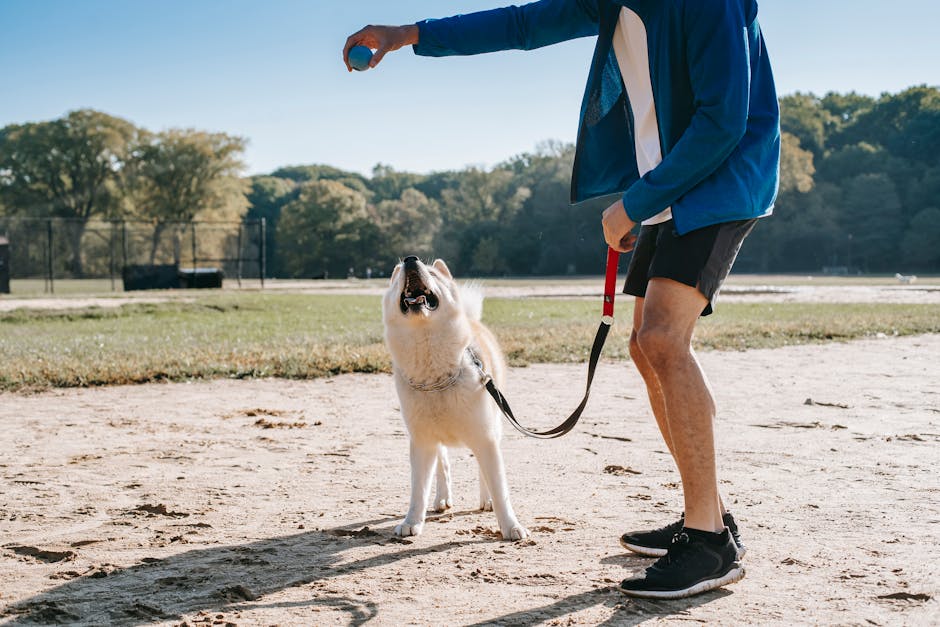
Loose leash walking is a skill. And like any skill, it takes reps. The goal? No tension in the leash, and your dog walking beside you not dragging ahead or lagging behind. Start slow. Reward early and often when your dog checks in or walks by your side. If they pull, stop walking. No drama, just stop. When they ease up, move again. Dogs figure it out when consistency beats frustration.
Reactivity’s another layer. If your dog lunges or barks at others, it’s often fear or overexcitement. Create space. Don’t force meetings. Use high value rewards the moment they stay calm or focus on you instead. Over time, they’ll choose calm over chaos. It’s not an overnight fix but it works. Training here is as much about calming your own reactions as your dog’s.
Leash manners aren’t flashy, but they set the tone for every walk you take. Get them right early, and the rest of your training life gets easier.
Tackling Basic Obedience Commands
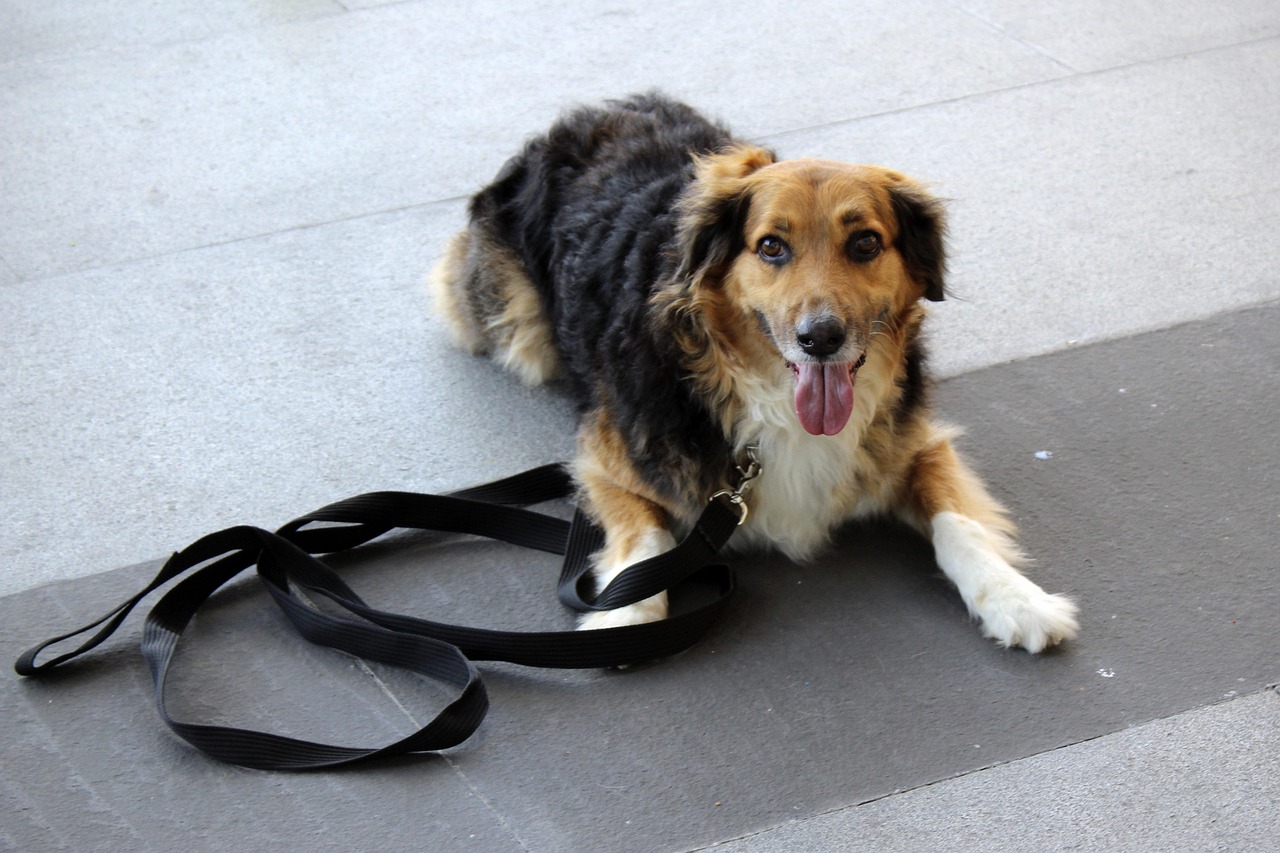
Foundational commands sit, stay, come, down aren’t just party tricks. They’re the basics that keep your dog safe and focused. But don’t rush it. Each command should be introduced one at a time, and only when your dog is reasonably calm and alert. Use a clear cue word, pair it with a visual signal (like a hand motion), and reward within seconds if they get it right. Timing is everything. If you miss the moment, you end up reinforcing confusion.
Keep training sessions short think under 10 minutes at a time. Go longer, and your dog checks out. In those bite size chunks, you focus fully, your dog doesn’t get bored, and you both come out ahead. Aim for two to three sessions per day, woven into real life before meals, during walks, after play. Consistency > duration.
Once the basic cue sticks indoors, it’s time to raise the stakes. Gradually increase distractions: try the park, your backyard, or near foot traffic. Dial down the treats slowly and introduce other kinds of praise. Your goal: commands that hold up not just in your living room, but on the street when a squirrel bolts by or a car door slams. That’s real world reliability and it’s built one rep at a time.
Socialization Tips That Actually Work
The first 16 weeks of a dog’s life are critical. This is the window when puppies are most open to learning about the world what’s safe, what’s new, and what’s worth ignoring. Skilled trainers call it the “socialization period” for a reason. You miss it, and you’re playing catch up later.
That doesn’t mean throwing your pup into a busy dog park on day one. It means slow exposure in controlled environments. Let them meet calm dogs, gentle people, and experience a mix of environments car rides, neighborhood walks, coffee shop patios. Keep these first introductions short, neutral, and positive. Give your dog the space to explore at their own pace.
Reading your dog’s body language is part of your job too. Yawning, lip licking, turning away, or freezing might signal that your puppy is already overwhelmed. Don’t push it. The goal is confidence not chaos. Some pups warm up fast, others take their time.
Good socialization is structured. You’re not aiming to desensitize your dog by flooding them with interaction. Instead, think of yourself as a guide: offering new experiences with a calm hand and a pocket full of treats.
When to Level Up Your Training
At some point, sit and stay just aren’t cutting it anymore. If your dog is breezing through basic commands and starts looking bored or restless especially after walk time or play you’re likely dealing with a smart pup craving a greater challenge. Other signs? Increased mischief, digging, barking, or ignoring cues they used to follow. That’s not stubbornness it’s under stimulation.
When that switch flips, it’s time to raise the bar. Dogs thrive when their brains work as hard as their bodies. Think beyond the basics: introduce multi step commands, teach them to clean up their toys, or try scent work in the backyard. Agility training is another strong path especially for breeds with high energy and focus. Even something as simple as hiding treats under cups or using puzzle toys can stretch your dog’s problem solving muscles.
If you’re ready to explore structured and effective ways to advance your dog’s skills, these advanced dog training techniques will walk you through tools that last a lifetime.
Consistency Is Everything
Dogs don’t understand exceptions, and they definitely don’t understand when one person says “off” and another says “no” for the same behavior. That’s why the first rule of real dog training is getting everyone in your household on the same page. One set of words, one set of rules.
Start by choosing a small list of commands you’ll all use simple, clear, and consistent. Make it visible if needed (write it on the fridge) and stick to it like a routine. Mixed signals create mixed results, and for a dog, that can lead to confusion, stress, and behavior that regresses instead of improves.
Daily training doesn’t mean you need to run obedience drills like a boot camp. It means seizing everyday moments before walks, at mealtime, or during play to reinforce boundaries. Keep sessions short, keep your tone calm, and don’t overdo it. The goal is rhythm, not burnout for either of you.
Predictable routines reduce uncertainty. Your dog knows what to expect, and that removes anxiety from the equation. Less confusion = fewer outbursts. Whether it’s where bedtime happens or how you handle barking at the door, repetition builds trust and results.
No gimmicks, no shortcuts. Just clear rules, steady follow through, and the patience to stick with it.
Bonus: What Not to Do
It’s easy to make mistakes as a first time dog owner but the key is recognizing them early and adjusting your approach. Avoiding common pitfalls can make the training process smoother for both you and your dog.
Common Mistakes New Owners Make
Inconsistency in Rules: One day the dog is allowed on the couch, the next day they’re scolded for it. Dogs get confused when boundaries change.
Too Much Freedom Too Soon: Letting a new dog roam freely around the house without supervision can lead to accidents and stress.
Skipping Basic Training: Teaching basic obedience may not seem urgent at first, but small issues can snowball if not addressed.
Unrealistic Expectations: Expecting a dog to understand commands after one session can lead to frustration on both ends.
The Problem with Punishment
Punishment based techniques like yelling, leash yanking, or using shock collars often do more harm than good.
Damages the Bond: Dogs respond best to trust and encouragement. Punishment fosters fear, not learning.
Suppresses, Not Solves Behaviors: A punished behavior may disappear temporarily, but the underlying cause remains unaddressed.
Creates Anxiety: Harsh discipline can make dogs anxious or even aggressive, especially in sensitive or fearful breeds.
Patience and Consistency Win Every Time
Training is a journey. The most effective dog owners treat every misstep as a learning moment, not a failure.
Stick to Daily Practice: Consistent, short sessions build lasting habits.
Praise Good Behavior Generously: Reinforcing the positive makes it more likely to be repeated.
Stay Patient: Trust builds over time your dog needs to feel safe and understood.
Remember, the smartest training philosophy is built on patience, clarity, and communication. Punishment may seem like a shortcut, but it almost always guarantees long term setbacks.

 Annelina Pierceric is a dedicated author at pethubnest She shares practical insights on pet care, exploring new ways technology can support healthier and happier lives for pets.