
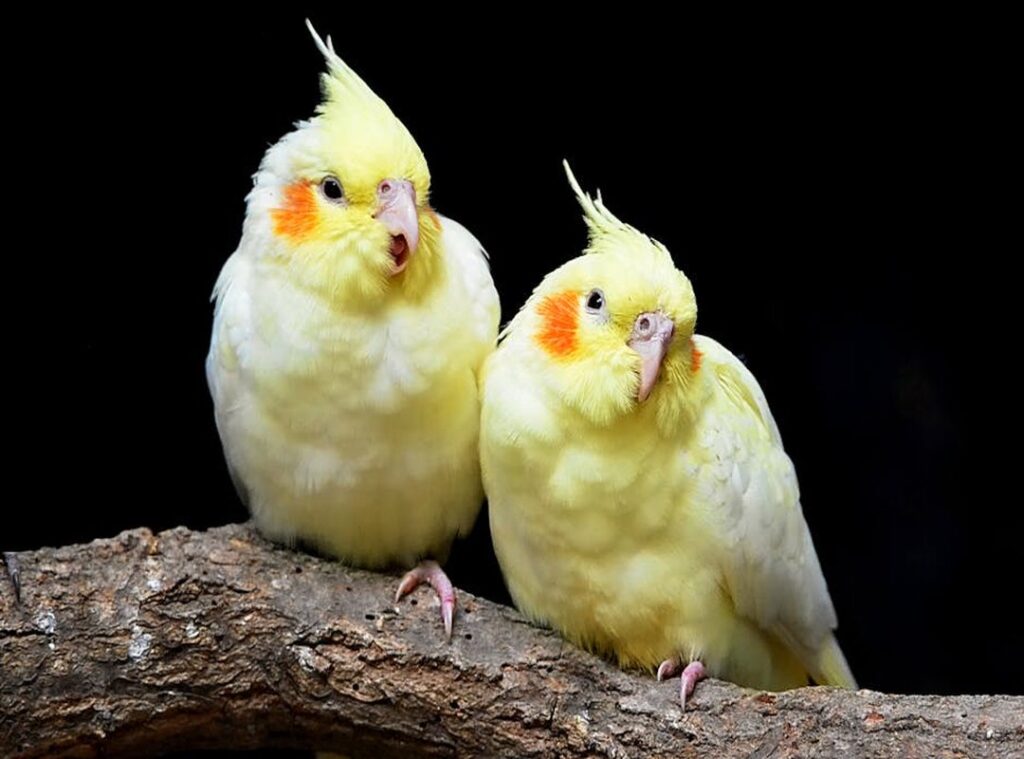
You just brought home a bird.
And now you’re scrolling through twenty different websites, each telling you something totally different about cage size, diet, or whether that chirping means joy or distress.
I’ve been there. I’ve watched people panic over Google results that contradict each other (or) worse, cite no source at all.
Birds don’t come with manuals. But they do come with biology. Real physiology.
Actual behavior patterns. Not guesses dressed up as advice.
Most so-called “bird care guides” either drown you in vet-speak or oversimplify until it’s useless. Neither helps you when your bird stops eating or starts plucking feathers at 2 a.m.
This isn’t theory. It’s what works (tested) across thousands of real birds, in real homes, by people who’ve done the messy trial and error so you don’t have to.
The Infoguide for Birds Llblogpet cuts through the noise. No fluff. No jargon.
Just clear, evidence-informed answers on foundational care, early health red flags, enrichment that actually matters, and how care shifts between species.
I’ve seen what happens when owners get bad advice. Stress. Misdiagnosis.
Unnecessary vet bills. Worse. Guilt.
You don’t need perfection. You need direction that matches how birds actually live.
That’s what this guide gives you.
Plain language. Real experience. Biology-backed choices.
Not someday. Right now.
Bird Cages Aren’t Decor. They’re Lifesaving Gear
I set up cages for birds. Not once. Not twice.
Dozens of times. And every time, I ignore the color scheme first.
Cage size isn’t about looks. It’s about flight. Budgies need minimum 18” x 18” x 24”.
Cockatiels? 24” x 24” x 30”. Conures demand more. 30” x 24” x 36”. Bar spacing?
Budgies: no wider than ½ inch. Conures: ¾ inch max. Anything wider invites injury or escape.
You’re probably wondering if your current cage cuts it. I’m not sure. But if your bird can’t fully spread both wings without hitting bars, it doesn’t.
Here are five non-negotiables: full-spectrum lighting (not just a lamp), toxin-free materials (no zinc, no lead paint), easy-clean surfaces (no porous wood), secure latches (yes, they’ll test them), and stable temps between 65 (80°F) with low humidity swings.
Skip sandpaper perches. They shred feet. Don’t place cages near kitchens (Teflon fumes kill birds in minutes) or drafty windows.
And stop stuffing in ten toys. One unsafe rope toy = one tangled leg.
For quick reference, here’s what works:
| Size Group | Min Cage Size | Safety Note |
|---|---|---|
| Small (budgies, lovebirds) | 18″ x 18″ x 24″ | Bars ≤ ½” |
| Medium (cockatiels, conures) | 24″ x 24″ x 30″ | Bars ≤ ¾”, no dowel-only perches |
| Large (macaws, greys) | 36″ x 36″ x 48″ | Stainless steel only, no plastic latches |
The Pet advice llblogpet 3 page has real owner photos showing exactly how these specs play out in living rooms and sunrooms.
This isn’t theory. It’s what keeps birds alive past year two.
Nutrition That Supports Lifelong Health (Not) Just Survival
I feed my birds like they’re family. Not like they’re just ticking boxes.
Seed-only diets? They’re not a treat. They’re a slow burn.
I’ve seen it: feather loss, fatty liver disease, birds sitting still for hours. It’s not cute. It’s cellular starvation masked as comfort.
Pelleted food is non-negotiable. Not optional. Not “if you feel like it.” Sixty percent of the daily plate. Done.
Thirty percent fresh vegetables. Kale. Spinach.
Carrots. Bell peppers. Broccoli.
Zucchini. Sweet potato (cooked). Peas.
No lettuce. No celery. Zero nutrition there.
Ten percent healthy treats. Cooked lentils. Sprouted millet.
A sliver of apple (no seeds). Not sunflower seeds. Not peanuts.
Not that bag labeled “parrot mix” full of colored sugar puffs.
Avocado? Kills heart cells fast. Chocolate?
Theobromine stops mitochondria cold. Alcohol? Liver enzymes in birds can’t process it (at) all.
Onions? Break red blood cells. One bite can trigger hemolytic anemia.
You wouldn’t eat raw kidney beans. Don’t feed your bird what you wouldn’t eat yourself.
The Infoguide for Birds Llblogpet lays this out clearly (with) portion sizes, prep timelines, and how to store chopped veggies without mold.
Pro tip: Wash greens in vinegar water. Dry fully. Store in paper-towel-lined containers.
Moisture = spoilage = wasted food and sick birds.
I batch-chop on Sunday. Freeze lentils flat in ice trays. Thaw one cube per bird per day.
Your bird isn’t built to survive on scraps. They’re built to thrive.
Feed them like it matters. Because it does.
Birds Don’t Whine (They) Vanish
I’ve watched too many birds die because their people waited for a crisis.
They don’t cough. They don’t limp. They just… dim.
That’s why I track seven things every morning: droppings (color, shape), appetite (did they skip that millet spray?), eye brightness (glassy = trouble), posture (slouched on perch? not normal), vocalizations (silent all day? big red flag), feather sheen (dull = stress or illness), and activity timing (sleeping at noon? nope).
Fluffed feathers for ten minutes after waking? Fine. Fluffed all day + closed eyes + tail bobbing with each breath?
Call the vet now.
Birds hide sickness to avoid predators. It’s instinct. Not stubbornness.
Not “just being moody.”
So watch for behavioral silence: less preening, ignoring favorite toys, staying low in the cage, avoiding your hand. That’s not calm. It’s exhaustion.
Observe for two hours. Check crop warmth. Offer water with an eyedropper.
See if they swallow. If you see labored breathing, bloody droppings, or no poop in 12 hours? Don’t wait.
The Infoguide for Birds Llblogpet lays out exactly what “normal” looks like for 12 common species.
I keep mine open on my phone. You should too.
Because by the time they stop eating? It’s already late.
Enrichment That Fits in Your Morning Coffee Break

Enrichment isn’t just tossing in a toy. It’s species-specific problem-solving. What your bird needs to do to feel like a bird.
Macaws forage. Cockatoos chew. Lovebirds learn by watching others.
Give them the right job. Not just busywork.
I make paper-roll foraging puzzles: cut a toilet paper roll, tuck treats inside, fold the ends, and hang it sideways. Done in 90 seconds.
For chewers, I drill holes in untreated pine scraps and mount them low on the cage side. No glue. No nails.
Just wood and beak.
Lovebirds? I tape a small mirror to the front of their training perch. They watch themselves step up (and) mimic it.
Weird. Works.
Rotate weekly. Same thing every day dulls their brain fast. (Yes, even that perfect puzzle.)
I use a simple calendar: Monday = forage, Wednesday = chew, Saturday = social. You can grab the printable version in the Infoguide for Birds Llblogpet.
Watch for overstimulation: sudden screaming, biting, or hiding. If it happens, pull back one item. Not all.
Slow down.
Birds aren’t machines. They’re individuals. Treat them like it.
Trust Isn’t Built in Hours. It’s Built in Seconds
I used to think holding a bird longer meant I was winning. I was wrong.
Calm presence first. Then a soft verbal cue. Hand near.
But not touching. Wait for the lean forward. Watch for the slight crouch.
That’s when you offer the treat. Then step back. Slowly.
No grabbing. No “step up” demands.
Forcing it breaks trust faster than anything.
If their eyes pin sideways? Tail fans? Head jerks fast?
Breathe. Let them reset.
Stop. Right then. Withdraw your hand.
Progress isn’t measured in minutes of handling. It’s measured in seconds of calm.
I learned this the hard way. After three birds shut down on me in one week.
You’re not training obedience. You’re building safety.
And if you’re working with young ones, the this guide covers similar timing principles (yes, really. Calm timing crosses species).
Start With One Change That Actually Works
I’ve seen too many bird owners freeze up trying to do everything at once.
You don’t need perfection. You need one change that sticks.
Swap one bag of seeds for a quality pellet blend. Add two tablespoons of chopped kale or bell pepper. every day. That’s it.
No overhaul. No guilt. Just consistency.
Your bird doesn’t need perfection. They need safety, routine, and your calm attention.
The Infoguide for Birds Llblogpet gives you the exact weekly checklist (habitat check, feeding log, behavior tracker) so you stop guessing and start doing.
You already know what’s missing: clarity. Not more info. Just the right next step.
Download the free checklist now.
Do it before bedtime tonight.
Your bird will feel the difference by morning.

 Susana Richersonear writes for pethubnest focusing on digital tools, smart gadgets, and trends that make pet ownership easier. Her articles guide readers toward modern solutions for everyday pet needs.