
That first tank setup felt like magic.
Then the fish started gasping. Or floating. Or just… vanishing.
You bought the filter, the test kit, the fancy gravel. You read the pamphlet. Still something’s off.
I’ve built and rebuilt more tanks than I can count. Not just to keep fish alive (but) to watch them thrive. Colors pop.
Behavior changes. Plants grow wild. That doesn’t happen by accident.
Llblogpet Advice for Fish isn’t theory. It’s what works. When you’re up at 2 a.m. staring at cloudy water and a stressed tetra.
I don’t guess. I test. I adjust.
I watch. For years.
This guide cuts past the pet store noise.
You’ll learn how to spot trouble before it kills. How to read your tank like a language. How to fix problems without restarting from scratch.
No fluff. No jargon. Just clear steps that match what your tank is actually doing.
The Tank Is Not a Container (It’s) a Living Thing
I set up my first tank wrong. Added fish the same day. Watched them gasp at the surface for two days straight.
Don’t do that.
The tank is an space. Not a vase. Not a fish hotel.
A full-blown biological system with bacteria, chemistry, and invisible timelines.
You must cycle it before adding anything with gills.
Cycling means letting beneficial bacteria grow so they can break down waste. Fish poop and uneaten food turn into ammonia. Ammonia kills.
Then bacteria convert it to nitrite. Nitrite also kills. Then other bacteria convert that to nitrate.
Nitrate is mostly harmless (until) it builds up.
That whole chain takes 3. 6 weeks. No shortcuts. No “just add bacteria in a bottle” magic.
(Those bottles help, but they don’t replace time.)
I’ve seen people try to rush it. They test once, see zero ammonia, and dump in six tetras. Two days later: dead fish.
No mystery.
Pet Advice 3 covers this exact trap (and) how to avoid it without losing your mind.
Sand or gravel? Depends on who lives there. Corydoras dig.
Gravel cuts their barbels. Sand is softer. Easier to clean too.
But some plants hate sand. So pick based on your fish. Not what looks cool in the store.
Plants and decor aren’t optional. They’re stress relief. A betta hides behind a leaf.
Shrimp vanish into moss. Without cover, fish panic. They stop eating.
They get sick.
Filtration must match tank size. A 10-gallon filter on a 20-gallon tank? You’re just moving dirty water around.
Heaters need wattage per gallon. Too weak = cold fish. Too strong = cooked fish.
(Yes, that happens.)
And no (room) temperature is not fine for tropical fish. They’re not from your apartment.
You wouldn’t plant tomatoes in concrete and expect fruit. Don’t treat your tank like a decoration.
Water Is Everything: Your Tank’s Lifeline
Poor water quality kills more fish than bad food or wrong tank mates. I’ve seen it. Over and over.
It’s not dramatic. No flashing lights. Just slow gill flaring, lethargy, clamped fins (then) silence.
That’s why I treat water like oxygen. Not optional. Non-negotiable.
Ammonia, nitrite, nitrate, and pH (these) four numbers decide whether your fish live or die.
For most freshwater community tanks:
- Ammonia: 0 ppm
- Nitrite: 0 ppm
- Nitrate: under 40 ppm (20 is safer)
- pH: 6.8 (7.8) (stability matters more than hitting a number)
You’re not changing water to “clean” the tank. You’re removing invisible poison. Ammonia builds from waste.
Nitrite forms as bacteria try to break it down. Both are lethal at tiny levels.
Here’s how I do a partial water change:
Siphon 25. 30% with a gravel vacuum. Turn off heaters and filters first. Fill buckets with tap water.
Then add dechlorinator before pouring it in. Never skip that step.
Test strips lie. They always have. Use a liquid test kit.
The API Freshwater Master Test Kit is reliable and cheap.
New tanks? Test daily until ammonia and nitrite hit zero for a full week. Established tanks?
Test weekly. Every single week. No exceptions.
I used to skip tests when things “looked fine.”
Then lost six neon tetras in two days. Turns out my strip said “safe” (the) liquid test said 1.0 ppm ammonia.
That’s why I trust liquids. And why I follow up every test with action (not) hope.
Llblogpet advice for fish 2 starts here: know your water, or don’t bother with the fish.
Change water. Test right. Repeat.
Beyond the Flakes: What Your Fish Actually Need
Flakes are not breakfast, lunch, and dinner for every fish. I stopped believing that the day my pleco starved next to a pile of tropical flakes.
Herbivores need fiber. Carnivores need protein. Omnivores need both (and) variety matters more than most people admit.
Flakes? Fine for surface feeders like tetras. But they lose nutrients fast in water.
And they float. Which means bottom-dwellers get nothing unless you’re feeding them something else.
Pellets come in sinking and floating versions. Sinking pellets go to your plecos and corydoras. Floating ones?
Betta food. High-protein. Not flake-adjacent junk.
Frozen bloodworms and brine shrimp are real food. Not filler. They thaw fast.
They smell like the ocean (in a good way). Live foods work too. But only if you trust your source.
Overfeeding is the number one killer I see. Not disease. Not bad filters.
Just too much food.
Feed only what disappears in 60 seconds. Once or twice a day. That’s it.
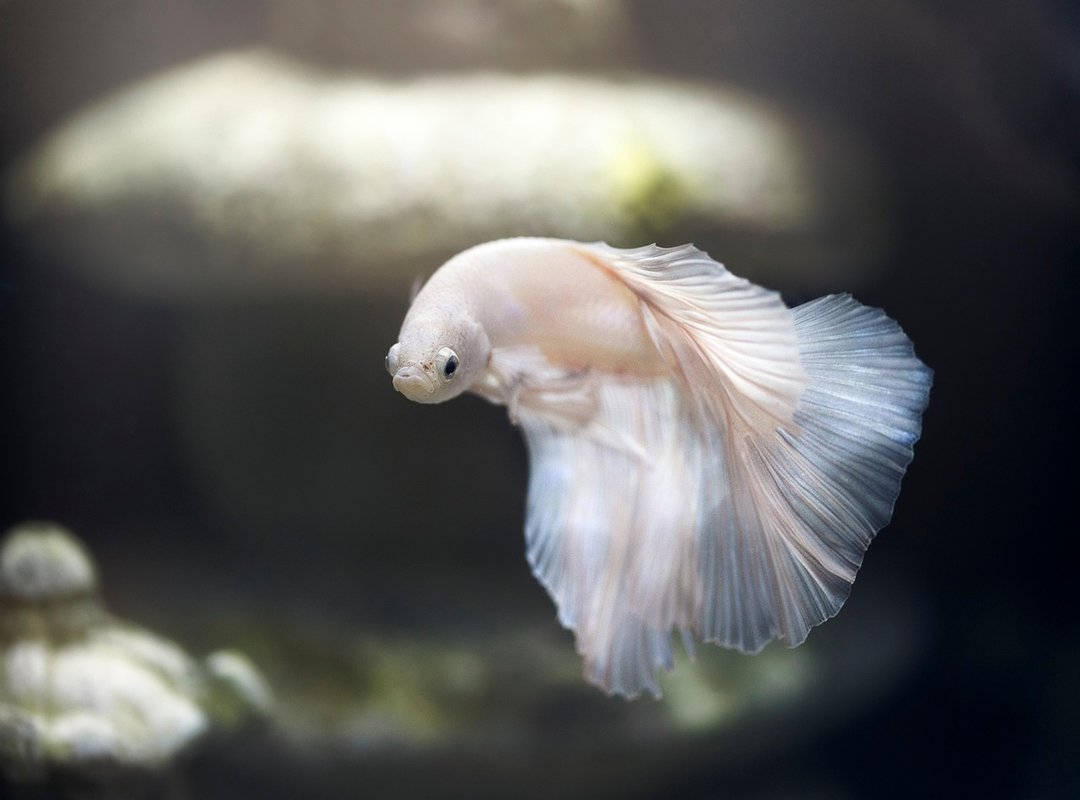
My betta gets high-protein pellets. My pleco gets sinking algae wafers (not) because it’s trendy, but because he chews for 20 minutes and still looks at me like I owe him rent.
You’re probably wondering if your current routine is hurting them. It might be.
I’ve watched tanks crash from overfed tanks. Don’t be that person.
This guide covers portion sizes, timing, and species-specific picks. Read more here.
Start today. Skip the flakes for one meal. Try something real.
Watch First. Fix Later.
I spend five minutes every morning just watching my fish. Not feeding. Not cleaning.
You should too.
Just watching.
Clamped fins. Lethargy. Gasping at the surface.
White spots (Ich). Hiding more than usual. These aren’t subtle hints (they’re) alarms.
And if you see one? Don’t grab medication yet.
Test the water quality immediately. Ninety percent of the time, it’s not the fish (it’s) the water.
Ammonia spikes. pH swings. Nitrite buildup. They kill slowly.
I’ve rushed to treat “sick” fish only to find the tank was the patient all along.
Fix the water first. Always.
That’s the core of Llblogpet Advice for Fish. Observe, test, then act.
If your cat’s acting off, the same logic applies. Start with basics. Check environment.
Rule out stress. The Infoguide for cats llblogpet 2 walks through that step-by-step.
Your Tank Won’t Wait. Neither Should You.
I’ve done this hundreds of times.
Consistency beats complexity every single time.
You’re scared to mess up. I get it. One wrong move and your fish pay the price.
That fear? It’s real. And it’s why you’re reading this.
Stable water. Clean filters. Right food.
That’s all it takes. Not magic. Not guesswork.
Just showing up. Weekly.
Llblogpet Advice for Fish gives you the exact rhythm you need. No fluff. No jargon.
Just what works.
Grab a notebook now. Write down:
- Test Water
2.
Perform Water Change
- Observe All Pets for 5 minutes
Do it today. Not tomorrow. Not after “you get around to it.”
Your fish are counting on you to start now.
They don’t care about perfect. They care about consistent.
Start the checklist.
Watch what changes in seven days.

 Susana Richersonear writes for pethubnest focusing on digital tools, smart gadgets, and trends that make pet ownership easier. Her articles guide readers toward modern solutions for everyday pet needs.