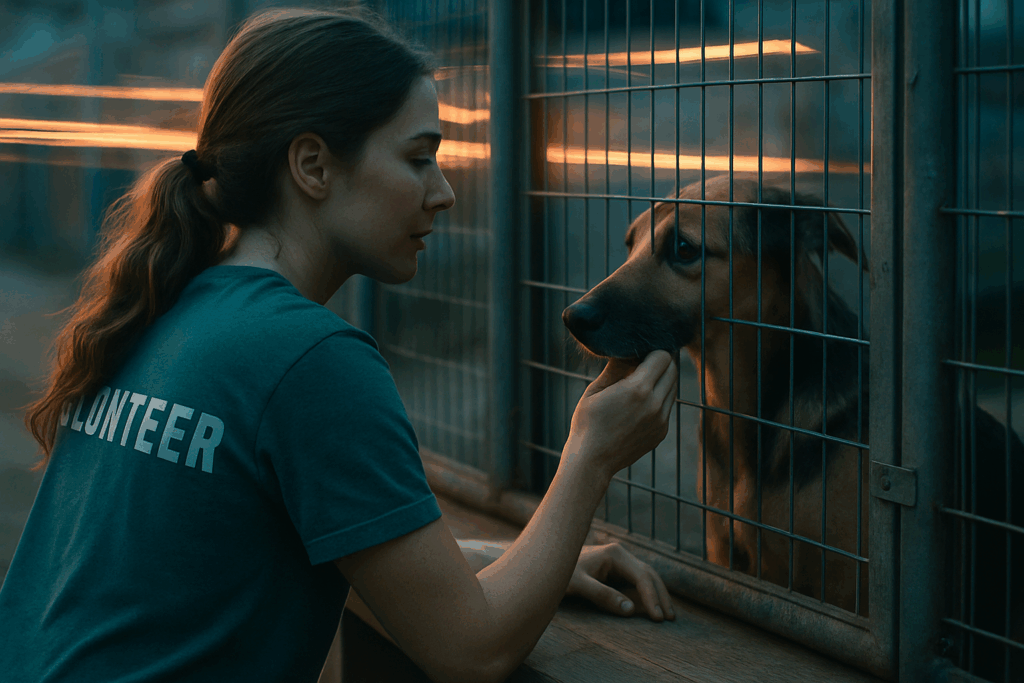


What Life Looks Like Before Rescue
Before rescue, many shelter animals live through experiences no creature should have to endure. They’re often found abandoned on roadsides, left behind during moves, or surrendered by overwhelmed owners who can’t provide basic care. Some come from neglect cases chained outside in the cold, malnourished, or trapped in hoarding situations where food, space, and attention were in short supply. Fear becomes the default state. Hunger, pain, or confusion are part of daily life.
This trauma leaves clear marks. Physically, animals might arrive underweight, with matted fur, untreated infections, or wounds. Behaviorally, they can be anxious, distant, or defensive. Some shut down completely. Others tremble at sudden movements or flinch when touched. The signs of what they’ve been through aren’t always obvious, but they run deep.
Recovery isn’t quick. Medical needs like surgeries, dental work, or chronic conditions must be addressed, often for the first time in the animal’s life. Just as challenging is the emotional healing. Earning a scared dog’s trust or coaxing a cat out from under a blanket takes time, quiet effort, and consistency. Progress happens in small moments: a tail wag, a gentle purr, a little eye contact.
These animals don’t just need homes. First, they need patience, a plan, and people willing to meet them where they are.
The Turning Point: Rescue and Care
Intake at a reputable shelter is equal parts triage and hope. The first few hours are critical. Animals come in stressed, sometimes injured or sick, and almost always confused. Good shelters move fast but carefully. Each pet gets a medical assessment: basic vitals, vaccinations, tests for communicable diseases like parvo or ringworm. Some pets need emergency treatment. Others get a safe place to rest, isolated from the main population in quarantine units to prevent any spread of illness.
But care isn’t just physical. First socialization starts almost immediately. Gentle touch. Quiet voices. Staff members get down on the animal’s level. Volunteers drop by with soft treats and slow movements. It’s about making the animal feel if not okay then at least less alone.
From there, foster volunteers often step in. These people are lifelines. They open their homes to animals not quite ready for the adoption floor. Some fosters specialize in bottle feeding newborns. Others take in dogs learning to walk on leash again, who’ve forgotten what kindness feels like. Staff back them up with supplies, vet visits, and behavioral guidance. It’s a tag team effort equal parts logistics and heart.
This is the grind that doesn’t go viral. But it saves lives every day.
Rebuilding Trust and Health
The road from rescue to recovery hinges on two essentials: proper care and consistent compassion. After intake, nutrition becomes a frontline tool. Many rescue animals arrive underweight, malnourished, or suffering from digestive issues. Shelters and foster homes lean on high quality, species specific diets to rebuild strength, coat health, and immune function. This isn’t about generic kibble it’s about healing through every meal.
Parallel to physical health, veterinary care addresses acute needs parasites, infections, wounds and long term issues like mobility, dental hygiene, or chronic conditions. Recovery can take weeks or months, but it starts working the moment animals feel safe enough to eat and sleep without fear.
Trust, though, takes longer. Behavioral training steps in where biology leaves off. Many rescued pets have lived in survival mode for years. Trainers work to reduce triggers loud sounds, sudden movements and replace them with calm interactions. Repetition builds safety. Play, oddly enough, is both a milestone and a tool. When a dog picks up a ball or a cat reaches out a paw, it’s a signal: the wall is cracking.
Over time, through repetition and patience, rescued animals begin to look people in the eye. They come when called. They wag. They purr. They trust. And that, more than anything else, is the real transformation.
Finding a Forever Home
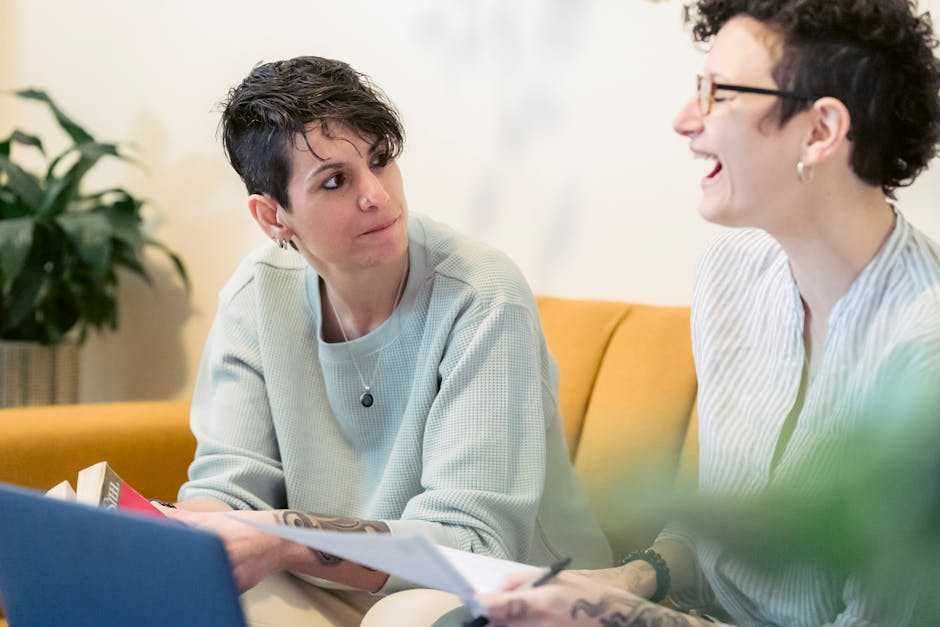
Adoption is more than bringing a pet home it’s about finding a perfect long term match. Shelters today are focused on personalized placements that consider the needs of both the animal and the adopter. This careful process increases the chances of a successful, happy life for everyone involved.
How Shelters Match Pets with Homes
Shelters work closely with animals and prospective adopters to ensure compatibility. Matching goes beyond looks or breed; it centers on behavior, lifestyle, and the ability of a home to meet a pet’s unique needs.
Key considerations include:
Energy levels and daily activity needs
Temperament compatibility with family members and other pets
Living situation (apartment vs. backyard access, urban vs. rural)
Experience level of the adopter
Adoption Events vs. One on One Placements
There are typically two main approaches to adoption:
Adoption Events
Hosted at shelters or community locations
Great for meeting many adoptable pets at once
Can lead to spontaneous connections
One on One Placements
Private meetings scheduled in advance
Often used for animals with special needs or anxiety
Allows for detailed discussion and question answer sessions
Both methods have value, but successful placements often stem from slow, thoughtful conversations rather than quick decisions.
What Makes an Adoption Successful?
Shelters assess long term compatibility to increase success rates and reduce returns. Some critical factors include:
Home environment fit Does the home suit the pet’s size, energy, and care requirements?
Timing Is the adopter ready for the ongoing commitment?
Family dynamic Are all household members (including other pets) aligned with the decision?
A strong match sets the stage for a positive transition from shelter life to a permanent, loving home making all the difference in an animal’s life.
Life After Adoption: Thriving, Not Just Surviving
When a rescued animal finds a permanent home, the transformation doesn’t stop it shifts into a new gear. Day to day life becomes a rhythm of stability. Regular meals, walks, playtime, vet visits without panic. Simple things for most households, but for a pet that’s only known chaos or confinement, it’s everything.
Relationships grow slowly and honestly. A once fearful dog starts sleeping at the foot of the bed. A cat who used to hide under furniture sits in a sunny window, purring like it’s second nature. Trust builds in quiet moments the treat given without hesitation, the walk where the leash doesn’t tighten.
Some animals surprise their adopters with skills no one expected. A mutt with a limp turns out to be a natural at agility games. A senior tabby becomes the calm anchor for a kid with anxiety. These aren’t just pets they’re companions with resilience baked into their bones.
These before and after stories do more than tug at heartstrings they call out what’s possible. For proof and perspective, see The Journey of Rescued Animals: Before and After, where you’ll meet real animals who found not just survival, but a real shot at joy.
Why Their Stories Matter
Too often, rescue animals are seen through a lens of pity scarred, broken, lucky to be saved. But that mindset misses the bigger picture. These animals are not just survivors. They’re resilient, adaptive, and full of personality. Their journey isn’t just about being rescued it’s about becoming whole.
Every successful adoption shifts the narrative. When one animal goes home, a space opens up for the next. That ripple effect matters. It motivates shelter workers, shows potential adopters what’s possible, and proves that transformation is real. One adoption can spark a chain reaction one that saves lives and redefines what we expect from second chances.
There’s always a way to help. Adopt if you can. Foster if you’re in between. Volunteer your time, or donate supplies and funds. No action is too small because these stories aren’t just heartwarming. They’re powerful reminders of what compassion can build.
More Journeys Worth Knowing
Want to dive deeper into the remarkable transformations of rescued animals? There’s so much more to explore beyond one story. Each pet’s journey offers unique insight into resilience, healing, and the power of compassion.
Why Keep Reading?
Understand the transformation beyond what the eye can see mentally, emotionally, and socially
Celebrate the people behind the scenes: shelter workers, vets, behavioral trainers, and forever families
Feel inspired by the resilience of animals overcoming the odds
Where to Start
To gain a more intimate look into these inspiring transformations, visit:
???? Rescued Animals Journey
This special feature presents before and after accounts that highlight just how powerful adoption can be for both the animal and the adopter.
Take a moment to witness the stories that prove hope is never lost.

 Norvella Neythanna is the co-founder and author at pethubnest She blends her passion for pets with her interest in technology, covering innovative products and ideas that transform pet care.