

Why Sustainable Pet Choices Matter
The pet industry is booming and so is its environmental footprint. With over 160 million dogs and cats in U.S. homes alone, the waste adds up fast: mountains of single use plastic from food packaging, synthetic chew toys that sit in landfills for decades, and grooming products that wash harmful chemicals into waterways.
It’s not just about trash. Pet gear has followed a path of fast consumption, with low cost, low quality products flooding shelves and targeting convenience over durability. That squeaky toy that lasted one afternoon? It’s now part of a global waste problem.
But here’s the upside: small, smart shifts matter. Choosing tougher, ethically made collars or compostable poop bags might feel minor at the checkout line but it scales quickly when millions of owners make the same call. Sustainable choices aren’t about being perfect they’re about being better, bit by bit. And that mindset is what turns pet care into a more responsible part of the planet’s future.
High Impact Eco Products Leading the Way
Consumer demand for eco conscious pet products is driving innovation in every corner of the industry. From daily essentials to indulgent treats, there’s now a growing range of pet gear that minimizes harm to the environment without sacrificing quality or functionality.
Compostable Poop Bags: Beyond Greenwashing
Not all “eco” bags are created equal. Look for compostable pet waste bags that meet ASTM D6400 standards for industrial composting and better yet, those that break down naturally in home compost conditions.
Certified compostable (check for BPI or TUV Austria certification)
Made from plant based materials (like cornstarch or PLA)
Break down within a few months under proper conditions
Recycled & Recyclable Toys: Play Responsibly
Pet toys are a major source of waste, often ending up in landfills after minimal use. Opting for toys made with recycled plastics or natural, recyclable materials is a powerful shift.
Look for toys made from recycled PET bottles, or natural rubbers
Choose products designed to last and recyclable after wear
Skip plastic heavy toys with metal parts, which can’t be processed
Organic, Locally Sourced Pet Foods & Treats
Sustainable eating isn’t just for humans. Feeding your pet organic, locally sourced foods reduces the carbon footprint of their meals and supports regenerative agriculture.
Choose products with USDA Organic or Non GMO Project labels
Support farms that prioritize animal welfare and eco farming
Fresh food subscription brands are increasingly sourcing locally
Biodegradable Grooming Products
From paw balms to shampoos, pet grooming products often go down the drain and impact the water supply. Choosing biodegradable formulas keeps synthetic chemicals out of aquatic ecosystems.
Avoid parabens, sulfates, and synthetic fragrances
Choose plant based ingredients and cruelty free brands
Look for products in recyclable or refillable packaging
These high impact choices help pet owners reduce their footprint while still caring for their companions responsibly. Small swaps add up especially when made by millions of dedicated pet parents.
Materials That Cut the Waste
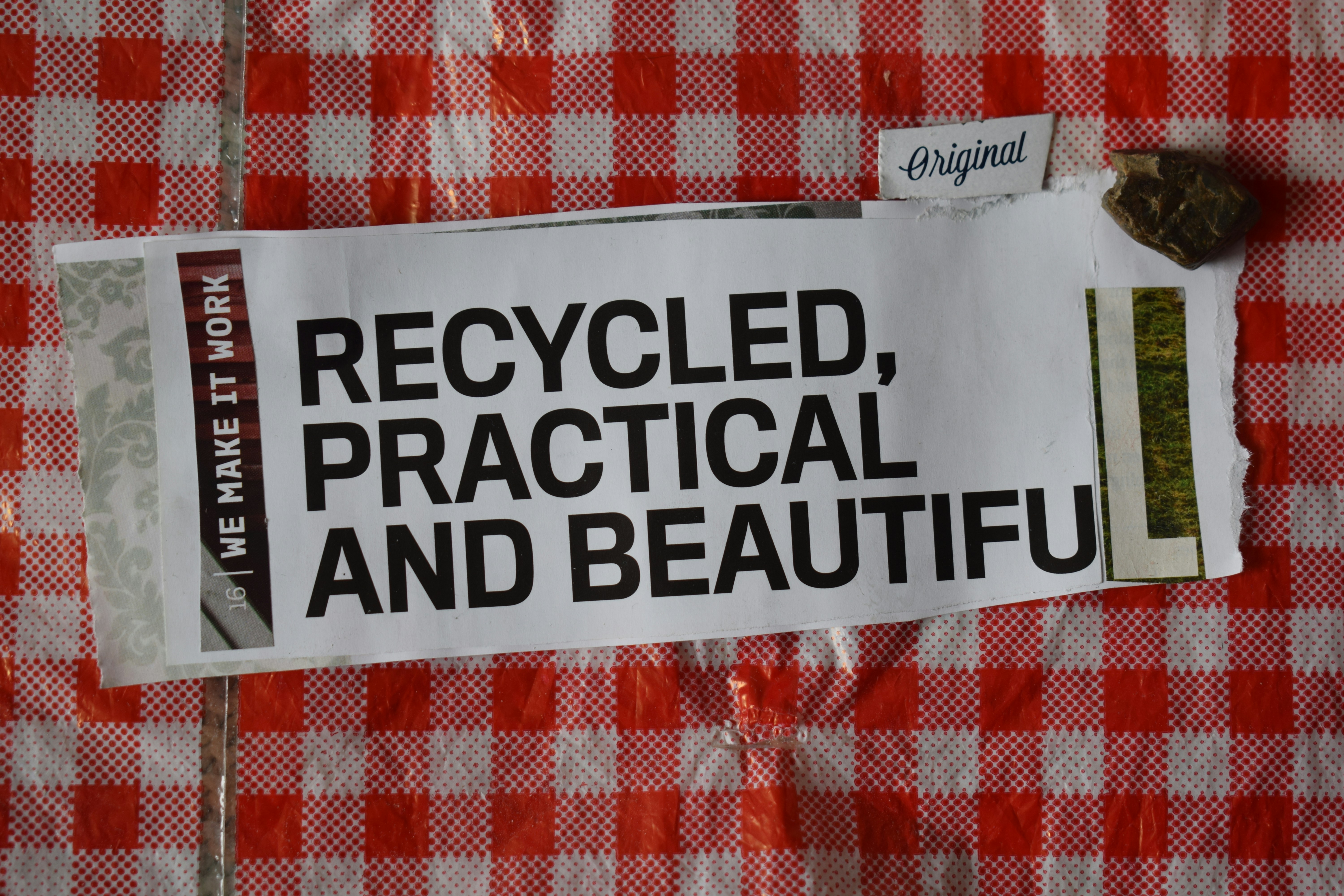
If you’re serious about cutting down your environmental paw print, it starts with the materials. Bamboo, jute, and hemp aren’t just buzzwords they’ve earned their spot in eco conscious pet gear for a reason. These natural fibers are durable, non toxic, and grow fast without soaking up excess water or chemicals. You’ll find them in everything from leashes and collars to pet beds and scratching posts. They’re built to last and compost cleanly once you’re done.
Upcycled materials are also making serious noise. Instead of tossing out old fabrics or post consumer plastics, some companies are turning them into well designed pet gear beds, toys, even bowls. Compare that with virgin plastic products, which are made from scratch using fossil fuels. No contest. Upcycled wins on energy use and waste reduction every time.
To avoid greenwashing, keep an eye out for real certifications. USDA Organic ensures agricultural materials are genuinely grown clean. GOTS (Global Organic Textile Standard) pushes for top tier textile processing: safe dyes, ethical labor, and no junk in the final product. If a company’s claiming their product is green, these labels help prove it.
Bottom line: smart material choices mean less waste, safer pets, and products that do more than look good on a shelf.
Smart Ways to Shop Sustainably
Pet care doesn’t need to mean buying more. In fact, the smarter move is buying better. One durable leash made from recycled climbing rope easily outlasts three flimsy ones off a discount shelf. The same goes for feeding bowls, beds, harnesses when you invest in longer lasting products, you cut down on waste and save money over time.
Supporting local brands can also shrink your pet’s carbon paw print. Shorter transport routes mean fewer emissions, and many small scale makers are more agile about sourcing responsibly. Plus, there’s the added bonus: these companies often focus more on quality and animal wellbeing, not chasing mass scale boosts.
Finally, the rise of eco conscious subscription services is a quiet revolution. Monthly boxes that skip the useless extras yeah, no one needs single use plastic wrappers around every treat are the new standard. Look for brands minimizing packaging and offering refillable options. It’s a subtle shift, but one that keeps unnecessary waste out of your home and landfills.
Leveling Up: Brands Doing It Right
Not all eco friendly claims hold water, but a few companies are setting a new standard by building sustainability into their business models from the core not just the label.
Some brands are now using closed loop production systems, where manufacturing waste is recycled back into the supply chain. This means fewer raw materials consumed, and far less ending up in a landfill. It’s not flashy but it works.
Take back recycling programs are also gaining traction. These allow pet parents to send back worn out leashes, beds, or even packaging so the company can reuse or responsibly recycle the materials. It’s a simple but powerful way to close the loop between purchase and disposal.
Transparency matters too. The standout brands in this space are open about where their materials come from, how workers are treated, and what environmental standards they meet. If they can show you the supply chain clearly and honestly, that’s worth your trust.
For a closer look at companies doing pet gear the right way, check out our deep dive on sustainable pet gear.
Your Next Step Toward Greener Pet Care
Going green with your pet doesn’t require a full lifestyle makeover. Start simple. Switch to compostable poop bags that actually break down. Skip the flashy plastic toys and opt for one or two made from recycled fabric or natural rubber. Refill your pet’s grooming products at a local co op instead of buying a new plastic bottle every time. These are low effort moves that lower your waste footprint immediately.
For the long game, build habits that stick. Choose quality gear that lasts collars, beds, bowls that don’t end up in landfills after one season. Support local vendors and pet food businesses that use minimal, recyclable packaging. Stick to a consistent feeding schedule to reduce food waste. It’s about being mindful, not perfect.
And yeah, people notice. Your choices what you buy, toss, reuse can nudge other pet owners in the right direction without you needing to say a word. This stuff adds up, fast. Sustainable pet care isn’t a trend; it’s a shift toward more responsible ownership.
Explore more ways to make better choices with this guide on sustainable pet gear.

 Annelina Pierceric is a dedicated author at pethubnest She shares practical insights on pet care, exploring new ways technology can support healthier and happier lives for pets.