
Why Pet Owners Are Rethinking Commercial Food
In the last few years, pet food recalls have surged and people are paying attention. Contaminated batches, mislabeled ingredients, and unregulated fillers have made headlines, leaving pet owners uneasy about what’s inside the bag.
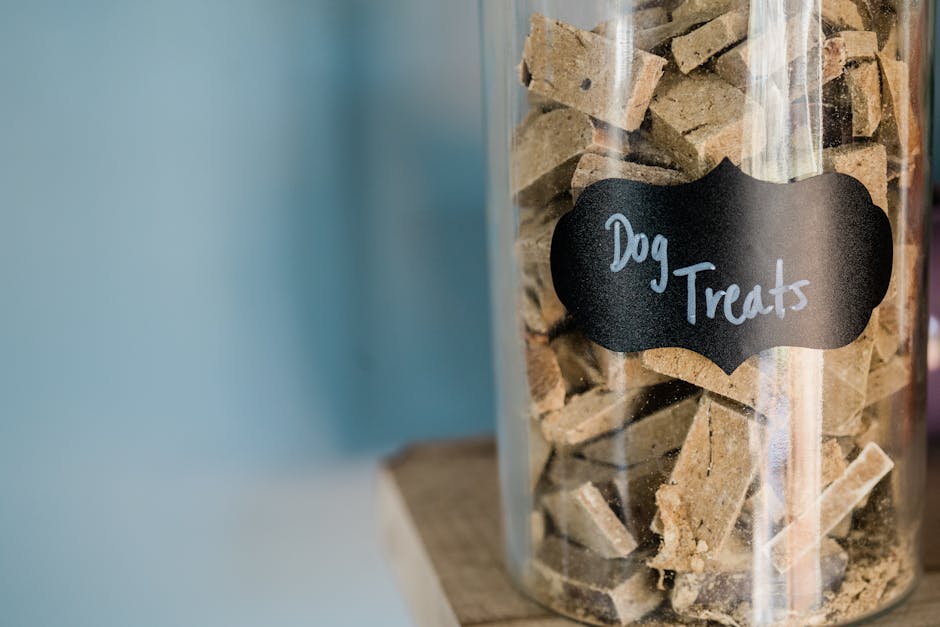
This growing distrust is pushing more people toward homemade meals. The logic’s simple: if you make the food yourself, you know what’s in it. No byproducts, no dyes you can’t pronounce, no hidden preservatives. Just real, whole ingredients from your fridge or the farmer’s market. Chicken, rice, sweet potato, spinach if it’s good enough for the dinner table, it feels better going into your dog’s bowl.
But beyond safety, it’s also about control. Pet owners want to tailor meals to their animals’ needs whether it’s senior dogs with arthritis or cats with sensitive stomachs. A homemade diet offers a level of customization you won’t get from a package.
Bottom line: people are tired of guessing. With a homemade approach, they don’t have to.
What a Balanced Homemade Diet Looks Like
When feeding your dog or cat a homemade diet, balance isn’t optional it’s essential. The main building blocks of pet nutrition aren’t all that different from ours: protein, fats, carbohydrates, vitamins, and minerals. But the amounts, sources, and ratios? That’s where it gets technical.
Cats are obligate carnivores, which means they need animal protein to survive. Dogs are more flexible but still thrive on high quality protein. Fat supplies energy and supports everything from brain function to skin health. Carbs which many people avoid unnecessarily can actually help round out a diet and provide fiber. Then come vitamins and minerals, which are tiny but critical. Calcium, phosphorus, and magnesium aren’t just buzzwords they’re lifelines for bone health, muscular function, and more.
Where people trip up is assuming that if it’s fresh and looks healthy, it must be fine. It’s not. Consistently feeding too much meat without bone or proper calcium sources can cause dangerous imbalances. Same goes for skipping variety. Even a good ingredient loses value if it’s the only one on repeat. Homemade doesn’t mean you eyeball chicken, rice, and peas twice a day and call it good.
This is where veterinary nutritionists come in. They don’t just write recipes they engineer them. These professionals tailor meal plans to your pet’s weight, age, medical history, and metabolic needs. Bottom line: if you’re going to home cook for your pet, you either work with experts or risk getting it very wrong.
Homemade Doesn’t Mean Healthier by Default

Making your pet’s meals at home might feel like the healthiest move but without expert input, it’s easy to get the balance wrong. DIY pet diets often miss critical nutrients like calcium, iodine, vitamin D, or essential fatty acids. It’s not about intentions. It’s about precision. Measuring the right ratio of protein to carbs to fats is complex. Pets aren’t small humans dogs and cats have specific metabolic needs that most home cooked meals simply don’t meet without scientific planning.
Over time, these nutritional gaps stack up. A dog on a calcium deficient diet may develop brittle bones or dental issues. Cats lacking taurine can face irreversible heart and vision problems. And because symptoms from micronutrient imbalances build slowly, many pet owners don’t realize there’s a problem until it spirals.
A homemade diet done wrong won’t just fall short it can make your pet sick. The fix isn’t guessing or Googling some trendy recipe. It’s getting input from veterinary nutritionists or using vet backed meal plans designed for long term health, not just short term variety.
The Critical Role of Supplements
Even the most thoughtfully prepared homemade pet meals can fall short nutritionally. This isn’t a knock on your cooking it’s just biology. Dogs and cats have specific dietary requirements that are tough to meet with food alone, no matter how precise your recipes are. That’s where supplements step in.
Some nutrients like calcium, taurine, omega 3 fatty acids, and certain B vitamins are especially critical. In commercial food, these are already formulated in. When making meals at home, you’re in charge of getting those essentials right. Pet nutrition supplements can help round out the diet, filling any gaps left by ingredients that while fresh and wholesome just don’t provide everything your pet needs.
So when should you use them? Always start with your vet or a certified pet nutritionist. They’ll recommend what your specific pet actually needs based on age, breed, activity level, and current health status. Homemade fed pets often require a multivitamin, calcium source (especially if raw meaty bones aren’t used), and targeted additions like fish oil or vitamin E.
Bottom line: supplements aren’t a way to cut corners they’re how you complete the picture. Without them, even clean, whole food diets can lead to long term nutritional shortfalls.
Safe Transitioning and Monitoring
Switching your pet from a commercial food diet to a homemade one isn’t something to rush. While the goal may be fresher ingredients and tailored nutrition, the process must be gradual to avoid digestive distress and nutritional imbalances.
How to Switch Your Pet’s Diet Safely
To set your pet up for a successful transition:
Start slowly: Mix a small amount of the homemade food with your pet’s regular food, increasing the homemade portion over 7 10 days.
Monitor reactions: Watch for signs of gastrointestinal upset such as vomiting, diarrhea, or refusal to eat.
Always introduce new proteins or ingredients one at a time to identify potential sensitivities or allergies.
Gradual Changes = Healthier Digestion
A slow shift allows your pet’s digestive system to adapt to the new food:
Sudden changes can disrupt gut bacteria balance, leading to stomach upset.
Gradual transitions support enzyme adjustment and smoother food absorption.
Watch for Warning Signs
Not every pet thrives on a homemade diet. Be on the lookout for red flags that could indicate a problem:
Persistent diarrhea or constipation
Lethargy or behavior changes
Weight loss or poor coat condition
Repeated vomiting or poor appetite
If you notice any of these, pause the transition and consult your veterinarian.
Vet Check Ins Are Essential
Even if your pet seems to be thriving, regular veterinary monitoring is non negotiable:
Schedule a vet check up before the transition, and follow up every few months
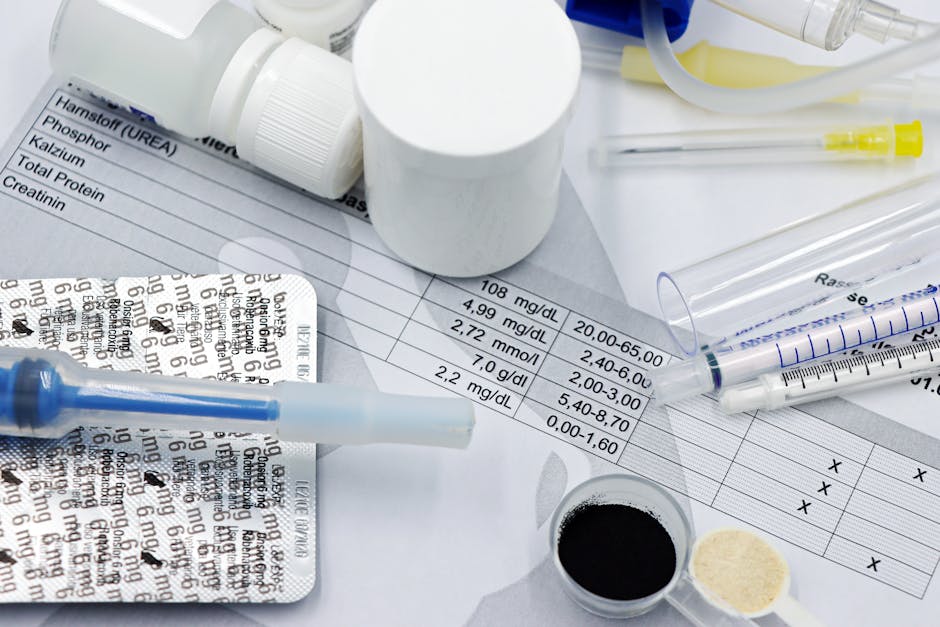
Ask about diagnostic bloodwork to monitor nutritional markers
Partner with a veterinary nutritionist to regularly assess and fine tune your homemade recipes
Consistency and supervision are key. With careful transitioning and professional support, a homemade diet can be both safe and rewarding.
Final Thoughts: Choose What’s Right for Your Pet, Not Just What’s Trendy
Homemade diets aren’t a shortcut to better health they’re a responsibility. When done right, they can absolutely support a pet’s well being. But “right” means more than tossing together chicken and rice. It means calculated nutrition, not kitchen improvisation.
That’s why consulting a vet or certified pet nutritionist isn’t optional. These professionals help ensure meals are not missing critical nutrients and are tailored to your pet’s age, breed, and health status. A well meaning mistake like too much protein or too little calcium can lead to serious issues over time.
Supplements can close the gap. Even carefully crafted homemade meals often fall short somewhere. Think of pet nutrition supplements as insurance for your pet’s long term health. When used with intention and guidance, they help round out the diet so nothing critical gets overlooked.
Bottom line: trends are temporary. Your pet’s health isn’t. Plan carefully, lean on the experts, and remember that balance isn’t built on guesswork.

 Norvella Neythanna is the co-founder and author at pethubnest She blends her passion for pets with her interest in technology, covering innovative products and ideas that transform pet care.