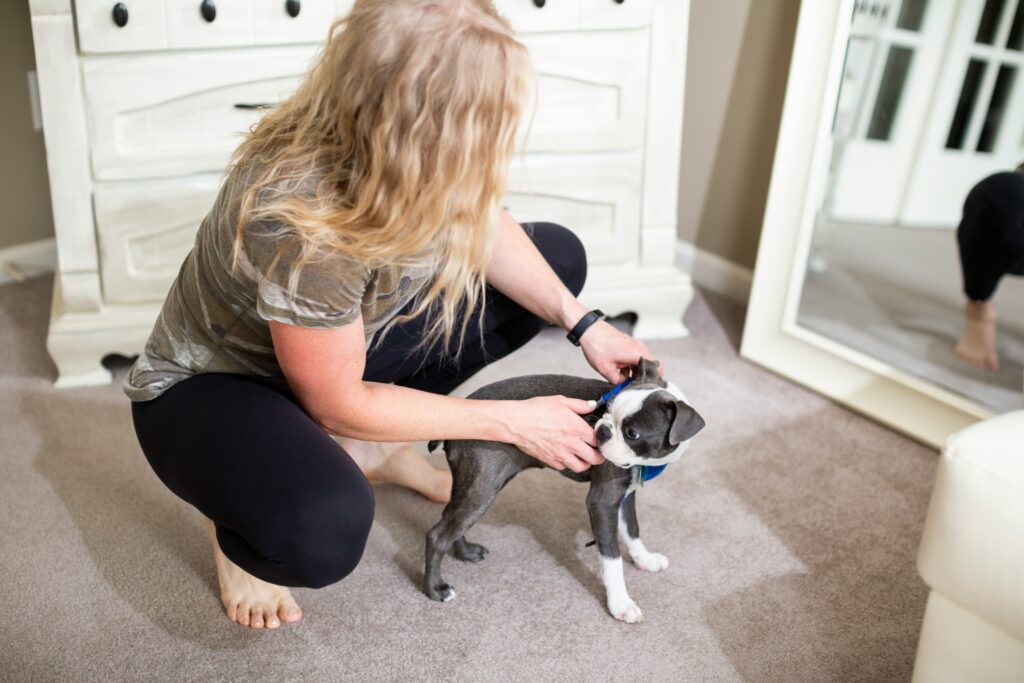

What You’ll Need Before You Start
Before diving into housetraining, setting the right foundation makes all the difference. Here’s what you’ll need to gather for a smooth start:
Crate or Confinement Area
A crate isn’t just a training tool it’s your puppy’s safe space. When introduced properly, it helps with:
Teaching bladder control through limited space
Preventing accidents when you can’t actively supervise
Offering structure and a calm place for rest
Choose a crate that’s just big enough for your puppy to stand up, turn around, and lie down comfortably. Too large, and your pup might treat one end as a bathroom.
Treats for Positive Reinforcement
Reward your puppy immediately after they eliminate in the right spot. Keep small, tasty treats on hand at all times.
Use treats consistently to reinforce good behavior
Choose rewards your puppy gets excited about
Save the high value stuff specifically for potty praise
A Consistent Daily Schedule
Dogs thrive on routine. A predictable schedule helps your puppy learn when and where to go.
Feed at the same times each day
Set regular potty breaks after eating, sleeping, and play
Stick to familiar potty spots for consistency
Patience and a Sense of Humor
Accidents will happen. Frustration is normal, but progress takes time and repetition.
Stay calm when things don’t go as planned
Laugh off the mishaps your puppy is learning just like a toddler would
Celebrate small wins along the way
With these essentials ready, you’re well on your way to stress free housetraining.
Step 1: Set a Consistent Routine
Routines are the backbone of housetraining. You want your puppy to know what to expect and when. Start by feeding them at the same times every day no free feeding, no guessing games. If breakfast is at 7 and dinner is at 6, stick to that like clockwork. A regular eating schedule means more predictable potty times.
Take your puppy out right after meals, naps, and play sessions. These are the moments when accidents are most likely to happen. Don’t hesitate grab the leash and go. Waiting even a few minutes can be the difference between success and a mess.
Always use the same door and walk them to the same potty spot. Dogs are creatures of habit. The more consistent the routine, the faster they connect the dots. Over time, that spot will signal, “This is where I go,” which speeds up the whole training process.
It’s simple, but not always easy. Stick with it. Repetition builds habits more than any training hack.
Step 2: Crate Training the Right Way
Crates get a bad reputation sometimes, but when used properly, they’re one of the most effective tools for housetraining. Dogs are naturally inclined to keep their sleeping areas clean, so a crate helps teach bladder control and timing. It’s not about confinement it’s about structure.
Start slow. Let your puppy explore the crate without pressure. Toss in a few treats, feed them their meals inside, and leave the door open at first. The goal is for the crate to feel like a cozy den not a punishment zone. When they’re relaxed going in and out on their own, you can begin closing the door for short periods while you’re nearby.
Use the crate wisely: short naps, downtime, and overnight sleeping. Not more than a few hours at a time during the day, especially for puppies. Never shove them in or use it as a timeout corner after bad behavior. If the crate stays a safe, calm place, your puppy will treat it that way and housetraining will go a lot smoother.
Step 3: Watch for Potty Signals
Puppies rarely give dramatic clues when they need to go but the signs are there if you’re paying attention. Restlessness, sniffing the floor, walking in circles, or pausing mid play are classic signals it’s time to head out. If your puppy suddenly disappears from view, assume they’re hunting a bathroom spot.
Speed matters. When you see these signs, drop what you’re doing and take them outside right away. Waiting even a minute too long can mean a mess you could’ve avoided. Reacting quickly teaches your pup that outside is the right place to go.
Use a clear, calm verbal cue like “Go potty” every time they’re in the right spot. Stick to it. Don’t get clever or switch it up. That one phrase becomes their signal for what you expect, and over time, they’ll connect the dots. Consistency now saves you confusion later.
Step 4: Praise, Don’t Punish
The second your puppy finishes doing its business outside, make it clear they did the right thing. Praise, treat, and move on. Waiting even a minute too long means they won’t connect the reward to the action. Timing matters more than volume don’t overthink it. Quick, calm reinforcement every time builds the habit.
If they have an accident inside and you catch it mid flow, interrupt gently and take them out. But if you find a puddle after the fact, you have to let it go. Scolding doesn’t teach anything useful it only creates confusion or fear. Puppies don’t reflect backwards the way we do.
Consistency wins. Every successful trip outside? Reward. Every signal they give you? Respond. The more reliable your feedback loop, the faster they learn what you expect.
Step 5: Clean Up Mistakes Correctly
Accidents will happen especially in the early weeks. What matters is how you respond. First, skip the bleach and grab an enzymatic cleaner. These break down the organic mess so your pup can’t smell and return to the same spot. It’s not just about cleaning; it’s about resetting the space.
Harsh chemical cleaners might seem like a good idea, but they can backfire. Dogs have sensitive noses, and strong chemical smells can create anxiety or even fear around where they live. Fear doesn’t help training clarity and calm do.
If mistakes keep happening, it’s a cue not a failure. Are you missing signals? Is your schedule too loose? Adjust. Housetraining is part science, part observation. Learn, adapt, move forward.
Step 6: Know When It’s Working
You’ll know you’re on the right track when indoor accidents drop off. One or two slip ups here and there are normal, but if your puppy is mostly keeping it clean inside, it’s a solid sign things are clicking.
An even stronger indicator? Your pup heads to the door or sits near it when they need out. That signal means they’re making the connection between the urge and the appropriate place. It might not be flashy, but it’s a win.
Don’t expect instant mastery. Full control over their bladder and bowels may take several weeks to months depending on age and breed. The key is to stay consistent. Keep up the schedule, keep watching for cues, and keep rewarding success. They’ll get there.
Smart Reinforcements
Positive reinforcement is one of the most effective tools in your puppy’s housetraining journey. By rewarding the right behaviors at the right time, you build strong habits and strengthen your bond with your pup.
Use the Right Motivators
Different dogs respond to different rewards. The key is to make the experience exciting, especially in the early stages.
Offer a small, tasty treat immediately after your pup goes potty outside
Use your happiest voice to offer praise like “Good job!” or “Well done!”
Introduce a favorite toy or quick playtime as a bonus reward
Remember, the reward doesn’t have to be food every time enthusiastic praise often works just as well!
Taper Off Gradually
As your puppy starts to understand what’s expected:
Slowly reduce the number of treats but keep verbal praise consistent
Phase out treats one step at a time, focusing on praise and play
Let the behavior not the treat become the routine
Combine with Broader Training
Smart reinforcement works even better when it’s paired with solid training principles.
Link rewards to correct timing: always give treats instantly after success
Use consistent commands across all training activities
Explore additional training techniques to accelerate learning and improve communication
With plenty of encouragement and a thoughtful approach to reinforcement, your puppy will soon be on the path to potty success and more!
Expert Tip: Stay Patient and Flexible
Not every pup learns at the same pace. Some catch on in days, others take weeks. Breed, age, background it all plays a role. So don’t sweat it if your neighbor’s golden retriever seems like a prodigy. Your dog just needs a plan, time, and your steady focus.
Progress is the goal, not perfection. That means celebrating fewer accidents and longer stretches between bathroom breaks even if you aren’t at 100% yet. Every small win builds toward reliable habits.
Most important: stay calm when setbacks happen. They will. Don’t yell. Don’t punish. Instead, redirect, reset the schedule, and keep showing up. Trust is fragile in young dogs. Reinforce it by being predictable, kind, and patient.
Explore more pet training techniques to build better behavior from the start.

 Norvella Neythanna is the co-founder and author at pethubnest She blends her passion for pets with her interest in technology, covering innovative products and ideas that transform pet care.