

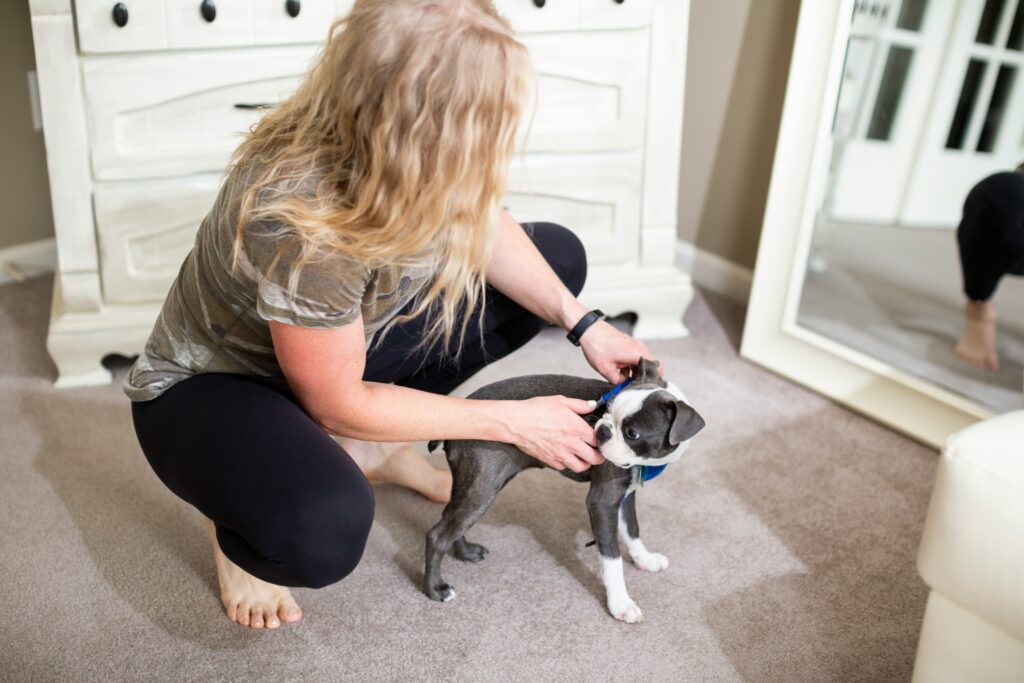
Knowing What’s “Normal” vs. Problem Behavior
Most problem behaviors are just instincts out of context. Cats scratch. Dogs bark. Hamsters hoard. These aren’t flaws they’re survival patterns hardwired over generations. Understanding what’s normal for your pet’s breed, species, and age is step one. Working breeds may need more stimulation. High energy animals get bored fast if their brains or paws aren’t busy. Normal shifts based on the animal.
But when scratching becomes obsessive, or barking doesn’t stop, it could signal something more: stress, boredom, illness, or unmet needs. Watch for changes. A suddenly quiet dog. A cat hiding more than usual. Missed litter box routines. These are the canaries in the coal mine.
The key is balancing vigilance with calm. Not every odd behavior needs intervention. Some pets explore boundaries it’s part of learning. But if a behavior intensifies, repeats often, or affects health and safety, take action. Most of all, trust your gut. You know when your pet’s just being quirky and when something’s off.
Mistakes Owners Commonly Make
It’s easy to unintentionally contribute to a pet’s behavior issues. Many well meaning owners misread their pet’s actions or respond in ways that confuse rather than correct. Recognizing these common mistakes is the first step toward healthier behavior and a better relationship with your pet.
Mistake #1: Using Punishment Instead of Guidance
Punishment may stop a behavior in the moment, but it does little to teach your pet what they should do instead. It can also lead to fear, stress, or aggression.
Why it doesn’t work:
Masks the behavior without addressing the cause
Can erode trust between pet and owner
May escalate anxiety and lead to worse behavior over time
Better approach:
Redirect undesired behavior toward a positive alternative
Reward good behavior consistently to reinforce learning
Stay calm and avoid reacting emotionally
Mistake #2: Sending Inconsistent Signals
If expectations change from day to day or person to person your pet will be confused. Consistency is key in any training or behavior correction effort.
Examples of mixed signals:
Allowing jumping up sometimes, but scolding at other times
Ignoring barking one day and reacting strongly the next
Multiple people using different commands for the same action
Build consistency by:
Setting clear rules for the household that everyone follows
Using the same commands and responses each time
Following a routine to create predictable outcomes
Mistake #3: Accidentally Reinforcing Bad Behavior
Pets quickly learn which actions get them attention even if it’s negative. Scolding, yelling, or reacting strongly can accidentally encourage repeat behaviors.
Behaviors often reinforced unknowingly:
Barking or whining gets immediate attention
Scratching at doors results in being let in or out
Jumping up receives touch or eye contact
How to prevent it:
Ignore minor attention seeking behavior if it’s safe to do so
Reward calm and appropriate actions instead
Redirect and reward alternative behaviors (e.g., sitting instead of jumping)
Identifying these habits and shifting your reactions can have a lasting positive impact on your pet’s behavior and your bond with them.
Key Strategies for Lasting Behavior Change

Positive behavior change doesn’t happen overnight, and it works best with thoughtful, consistent methods. Below are three essential components every pet owner should understand to correct behavior the right way and build a stronger relationship with their pet in the process.
Why Positive Reinforcement Works
Positive reinforcement is one of the most effective and humane ways to modify pet behavior. Instead of punishing unwanted actions, you reward the behaviors you want to see more of. This not only motivates your pet but also builds trust and clarity between you and your companion.
Benefits of positive reinforcement:
Encourages repeat behaviors through motivation, not fear
Strengthens the bond between pet and owner
Makes training a positive experience rather than a stressful one
Examples:
Give a treat immediately when your dog sits on command
Offer verbal praise when your cat uses the scratching post instead of the couch
Timing Is Everything
Timing plays a critical role in how your pet associates the reward with a specific behavior. If the reward comes too late, your pet may not understand what they’re being rewarded for.
Key timing tips:
Reward or correct behavior within 1 to 2 seconds
Be consistent with responses to the same action
Interrupt undesired behavior calmly and redirect, rather than scolding
Tools That Can Help
In addition to consistency and timing, several tools can support your training efforts and help reinforce good behavior.
Helpful training aids:
Clickers: Help mark desired behaviors precisely when they occur
Treats: High value rewards that hold your pet’s attention
Puzzle toys: Provide mental stimulation and reduce boredom related acting out
Routines and structure: Predictability helps pets feel secure and know what’s expected
Using these tools correctly and consistently can make behavior correction not only more effective but also more enjoyable for both pet and owner.
Specific Problems and How to Fix Them
Excessive Barking or Meowing
Pets vocalize for a reason. With dogs, barking can be a way to alert, express boredom, or release pent up energy. Cats meow when they’re hungry, stressed, or want attention. First, rule out medical issues. Then look at the environment. Is your pet left alone too long? Under stimulated? A bored animal is a noisy animal. Fixes include more walks, puzzle toys, and structured downtime. Train them with calm verbal cues and rewards for quiet behavior. Don’t yell it often amps them up.
Aggression with People or Other Pets
Aggression isn’t random. Often, it’s fear, territorial behavior, or frustration. Maybe your dog snaps at visitors, or your cat swipes during petting. Start by identifying triggers. Does it happen during feeding? When guests arrive? Use those observations to adjust the routine like feeding in a separate space or gradually socializing with visitors. Avoid punishing aggression; it can backfire. If it escalates or you feel unsafe, bring in a certified professional.
Destructive Chewing or Scratching
Your dog chews the couch or your cat shreds the curtains? It might not be spite it’s usually boredom, teething (for young dogs), or a lack of proper outlets. Offer alternatives: chew safe toys, scratch posts, or frozen treats. Praise when they choose the right object. Also, look at their daily routine is there structure? Are they getting both physical and mental stimulation? Redirection works better than scolding.
House Training Challenges
Whether cat or dog, accidents in the house often come down to unclear routines or the pet not being physically able to hold it. Puppies and kittens need more frequent breaks. Set a schedule, reward success, and watch for signals like circling, sniffing, or restlessness. Clean accidents thoroughly with enzyme cleaners to avoid repeat mistakes. Never rub their nose in it it confuses more than it corrects.
Explore deeper fixes and advanced tips here: correcting pet behaviors.
When You Need Expert Help
Not every pet issue can or should be solved solo. If your pet’s behavior is escalating despite consistent effort, or if it suddenly shifts without a clear trigger, it may be time to bring in a pro. Here’s a quick breakdown:
Call a vet if the behavior is sudden, intense, or paired with physical symptoms. Rule out pain or illness first.
Bring in a trainer if the problems involve obedience, leash pulling, recall, or manners. Ideally, go for someone who uses positive reinforcement and customizes the approach to your pet.
Seek a behaviorist (often with advanced credentials) when aggression, anxiety, compulsive behaviors, or trauma responses are at play. Think of them as the pet equivalent of a psychologist.
Choosing the right help matters. Look for qualifications, real world experience, and a method that aligns with your values. Ask questions. Watch a session if possible. Avoid anyone advertising quick fixes or dominance based tactics they tend to create bigger problems long term.
Remember, change sticks best when everyone’s on the same page. If your vet, trainer, and you are saying different things or reinforcing different behaviors your pet will just get confused. Teamwork counts. Set expectations, enforce routines, and stay consistent across the board. That’s when real progress starts.
Staying Patient and Consistent
Changing a pet’s behavior doesn’t happen overnight. Every animal is different, and what works for one may not work for another. That’s why patience and consistency are essential to building lasting, positive changes.
Behavior Change Isn’t One Size Fits All
No two pets and no two households are the same. Factors such as age, breed, background, and personality all play a role in how quickly your pet adapts to new behaviors. Don’t get discouraged if progress seems slow.
Key considerations include:
Your pet’s learning style: Some respond quickly to rewards, others may take more repetition.
Your communication cues: Clarity and tone matter more than you think.
Your home environment: Is it calm, consistent, and conducive to learning?
Building Healthy Habits Through Routine
Daily routines help create structure, which pets thrive on. Consistent mealtimes, bathroom breaks, play sessions, and training windows establish boundaries and help reduce confusion or anxiety.
Try implementing:
Set feeding and walk schedules
Designated play/training sessions each day
Quiet time or safe spaces for rest
Consistency builds trust and trust accelerates learning.
Encouragement Goes a Long Way
Celebrating small wins helps both you and your pet stay motivated. Even slight improvements deserve recognition and reinforcement.
Remember:
Stay calm during setbacks
Praise or reward positive behavior immediately
Track progress to see how far you’ve come
Behavior change happens gradually, but it does happen. With steady effort, your pet can unlearn unwanted behaviors and replace them with healthier habits.
Want to dive deeper? Read more on correcting pet behaviors

 Annelina Pierceric is a dedicated author at pethubnest She shares practical insights on pet care, exploring new ways technology can support healthier and happier lives for pets.