


Vet Backed Pet Food Updates
Veterinary researchers spent the last year deep diving into the long term effects of trending ingredients and they’ve come back with a message: not all that glitters is gut friendly. Key findings spotlight the importance of whole, unprocessed proteins over grain free hype and the growing concerns around excess legumes linked to potential cardiac issues in dogs.
On the affirmative side, studies highlight the nutritional value of ancient grains (think millet and quinoa) and the role of omega 3s in reducing inflammation. Fermented ingredients and postbiotics are also gaining ground for their role in boosting gut health.
As for ingredients to be wary of: artificial dyes, high salt levels, and “mystery meat” by products remain on the caution list. Transparency is everything. Brands that disclose sourcing and formulation details are earning more trust than slick packaging ever could.
Evaluating a new pet food? Skip the influencer sponsored unboxing. Check for AAFCO labeling, clear protein sources, and established feeding trials. Emerging boutique brands may offer premium options, but being small doesn’t always mean being science backed. When in doubt, walk your questions into the vet’s office instead of straight into your shopping cart.
Seasonal Health Alerts for Pets
Seasonal shifts bring more than just wardrobe changes they set off patterns in pet illness too. Spring ramps up environmental allergies. You’ll see more scratching, sneezing, and irritated skin in both dogs and cats, especially in high pollen areas. Summer is when heatstroke cases spike, often in breeds with short noses or thick coats. Don’t underestimate how fast a parked car or hot pavement can turn dangerous. Fall is prime time for ticks and lingering fleas, while winter risks include dry skin and joint stiffness, especially in older pets.
Preventive care matters more when symptoms are peaking. For example, if your vet saw an uptick in tick borne illness last month, get ahead with flea/tick meds and yard treatments. If respiratory cases go up during wildfire season, keep pets indoors, use air purifiers, and avoid intense exercise outside.
For dog owners: schedule regular paw checks in hot months, monitor panting levels during walks, and refresh bowls often. For cat parents: watch for sneezing or eye discharge in allergy season, encourage hydration to support kidneys, and maintain cozy warm spots in colder months.
Your best defense is awareness. Know what’s common this time of year and adjust your routine before a problem shows up.
Breakthroughs in Veterinary Medicine
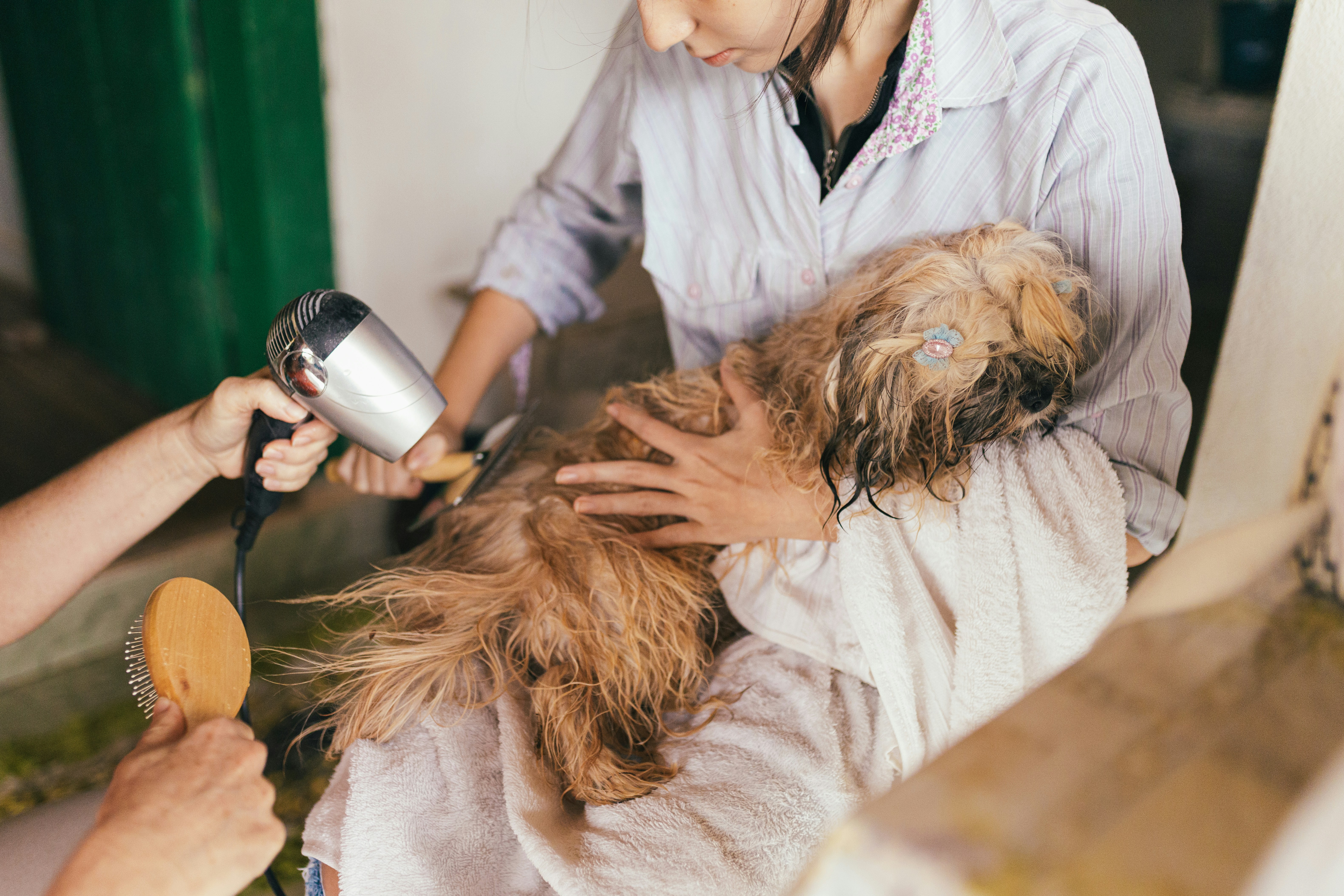
Some of the biggest moves in pet health this month are happening behind clinic doors and inside lab reports. New treatments for chronic conditions like oral meds for arthritis in dogs and monoclonal antibodies for feline asthma are pushing their way through approval pipelines. Early data looks promising, and while wide release may still be a few months out, vets are already eyeing these changes as potential game changers.
Diagnostics are also leveling up. We’re seeing the continued rise of wearable tech that monitors everything from heart rate to sleep cycles in pets. Add to that the rollout of AI driven symptom checkers, which scan your pet’s behavior and flag issues before they become emergencies. These tools won’t replace professionals, but they’re giving pet owners more control and more responsibility at home.
What does this mean for vet visits? In short: they’re becoming more focused. With better data and smarter diagnostics, vets can move past trial and error quicker. On the flip side, expect more pre visit prep and digital tracking. Home care is stepping up, but only if owners embrace the tech that comes with it.
Pet Wellness Trends to Watch
Staying ahead of the curve in pet wellness isn’t just about visiting the vet or switching foods it’s also about understanding the growing trends in holistic care and behavioral health. This month shows a notable uptick in alternative therapies and enrichment focused routines that support both the mental and physical well being of pets.
Holistic Health Gaining Ground
Pet owners are increasingly open to natural and integrative therapies. What was once seen as fringe is now gaining clinical attention and owner demand.
CBD for pets: Used to help with anxiety, joint pain, and inflammation. Quality and dosage are critical talk to your vet before introducing it.
Acupuncture and massage: Especially for older pets with chronic pain or mobility issues. Many clinics now offer these services.
Supplements: Omega 3s, probiotics, and multivitamin blends are entering daily pet routines, often recommended for skin, coat, and digestive health.
Behavior and Enrichment = Preventive Care
Veterinarians and trainers are increasingly aligned: good behavior and mental stimulation are not luxuries they’re key to preventive health.
Interactive play and puzzle feeders help prevent obesity and behavioral problems.
Routine training reinforces boundaries and builds trust.
Socialization reduces stress and can improve immune response by lowering chronic anxiety.
What the Experts Are Saying
This month, both veterinarians and certified animal behaviorists are emphasizing balance:
Holistic care should complement, not replace, medical treatment.
Enrichment and structure can significantly reduce costly vet visits.
Accessibility matters many of these strategies can be done at home with minimal expense.
“We’re seeing more pet owners take a proactive, whole pet approach,” says Dr. Sandra Lin, DVM. “It’s not just about reacting to illness, but fostering physical and emotional resilience.”
Stay tuned next month as we track how these trends evolve and which ones are proving most effective across different pet types and age groups.
Quick Recap from the Weekly Reports
Each week, we distill dozens of stories, vet insights, and care trends into a tight feed. Here’s what rose to the top this month.
First, hydration awareness in pets is ticking up. With dehydration related vet visits climbing, our reports flagged a spike in demand for automated water dispensers and electrolyte products for both cats and dogs. Vets are reminding owners: if your pet’s water bowl doesn’t get topped off each day, that’s a problem, not a habit.
Second, weight management is back in the spotlight. Several behavioral studies, referenced in our weekly updates, link boredom induced overeating to under stimulated pets especially indoor cats and senior dogs. Activity puzzles and structured feeding have become go to solutions recommended by trainers.
And in behavior news, anxiety support continues evolving. Our coverage touched on routine based interventions gaining ground. Expect to see more partnerships between pet care pros and behaviorists pushing scheduled bonding time and daily decompression walks especially for dogs working through separation stress.
Dr. Marla Nish from West Valley Animal says it plainly: “Consistency prevents more problems than it fixes. Pets with rhythm tend to stay out of clinics.”
Missed a detail? Each insight links back to our evolving highlights reel in the weekly pet care news. It’s worth scanning before your next vet visit or pet store run.
Staying Proactive
Caring for your pet shouldn’t feel like a mystery. A few quick monthly checks go a long way.
Start simple. Look at their teeth plaque buildup, bad breath, or red gums are signs it may be time for a vet visit or dental cleaning. Step on the scale too. Track your pet’s weight to catch subtle changes that might signal stress, illness, or a food adjustment. Run your hands along their coat dull fur, mats, or flaky skin call for closer attention. And hydration? Check daily. One fast way is the skin pinch test: if the skin doesn’t snap back fast, they might be dehydrated.
Now, don’t just rely on memory. Create a basic health log. A notebook works, but a digital log gives you alerts and easier sharing with your vet. List date, weight, mood changes, feeding shifts, and any odd behaviors. Over time, patterns matter more than one off incidents.
Want help automating this? Smart collars and health apps now track activity, rest, and even drinking habits. Tools like PetDesk and Pawtrack aren’t just gimmicks they make routine care more manageable. Pair them with check ins and your vet has clearer data to work with.
Need practical tips and reminders as you go? Our weekly pet care news rounds up what matters most so you’re never guessing.

 Annelina Pierceric is a dedicated author at pethubnest She shares practical insights on pet care, exploring new ways technology can support healthier and happier lives for pets.