
What’s Driving the Legal Shift
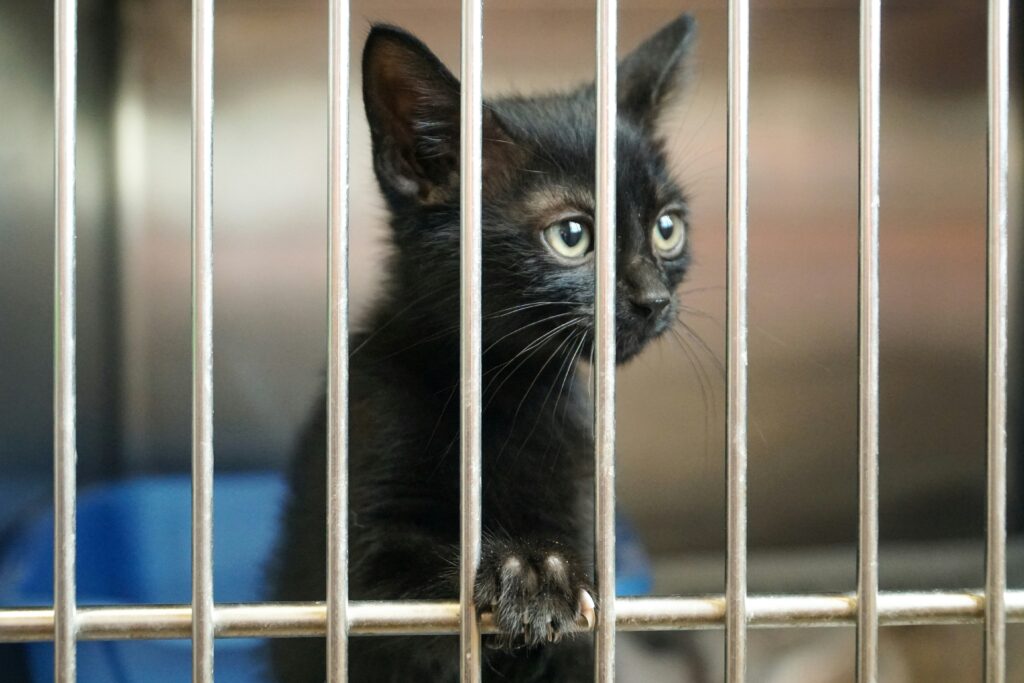
The global pet boom that kicked off in 2020 hasn’t let up. As lockdowns gave people time and reason to bring pets into their homes, shelters emptied and breeders saw year long waitlists. It was heartwarming but it came at a cost. City services, animal shelters, and veterinary networks got stretched thin trying to keep up. Suddenly, the system built for a steady trickle of adoptions was being asked to carry a flood.
This surge also reignited some uncomfortable questions. Are breeders following safe, sustainable practices? Are owners prepared for the long term responsibility a pet demands? And what happens when an overwhelmed system starts failing the animals in it?
Animal welfare groups didn’t miss the moment. Armed with data, videos of overcrowded shelters, and high profile cases of neglect, they pushed legislators hard. Their message landed: treat pets as more than property, and hold owners and sellers to higher standards.
Now, those ethics are front and center. Whether it’s commercial breeders being audited more strictly, or cities reassessing how many pets one household can responsibly own laws are catching up to a reality where casual pet ownership is no longer good enough. Advocacy didn’t just stir hearts; it’s changing the rulebook.
Key Legal Changes You Need to Know
Legislators are tightening the reins on pet ownership, and the changes aren’t subtle. First up: breeding. Unlicensed breeding is now squarely in the crosshairs, with stricter regulations putting pressure on backyard breeders and hobbyists. In many states, breeders must maintain welfare standards, follow inspection protocols, and register with official databases to stay legal. The goal is simple cut down on overpopulation and improve animal welfare at the source.
Next, pet insurance and registration are moving from optional to expected. In some regions, basic liability coverage is now a requirement not just suggested. Alongside that, updated registration systems mandate annual renewals and digital tracking of vaccinations and medical records. Pet ownership is being seen less like a casual choice and more like a formal responsibility.
Exotic and “high risk” pets like large reptiles, primates, and certain dog breeds are facing new restrictions or outright bans. Ownership requires proof of skill, secure containment plans, and in some cases, special permits. Some cities are drawing a hard line on species categorized as dangerous or non domestic, citing public safety and ecological impact.
Finally, zoning laws are starting to dictate how many pets you can keep. It’s becoming common for local ordinances to cap the number of animals per household especially in dense urban areas. These rules are usually tied to noise complaints, sanitation issues, or concerns about hoarding. If you’re over the limit, you’ll need exemption paperwork or risk fines and enforced rehoming.
The bottom line: owning pets in 2026 means thinking ahead. These laws are reshaping how we bring animals into our lives, who gets to do it, and under what terms.
What It Means for Everyday Pet Owners
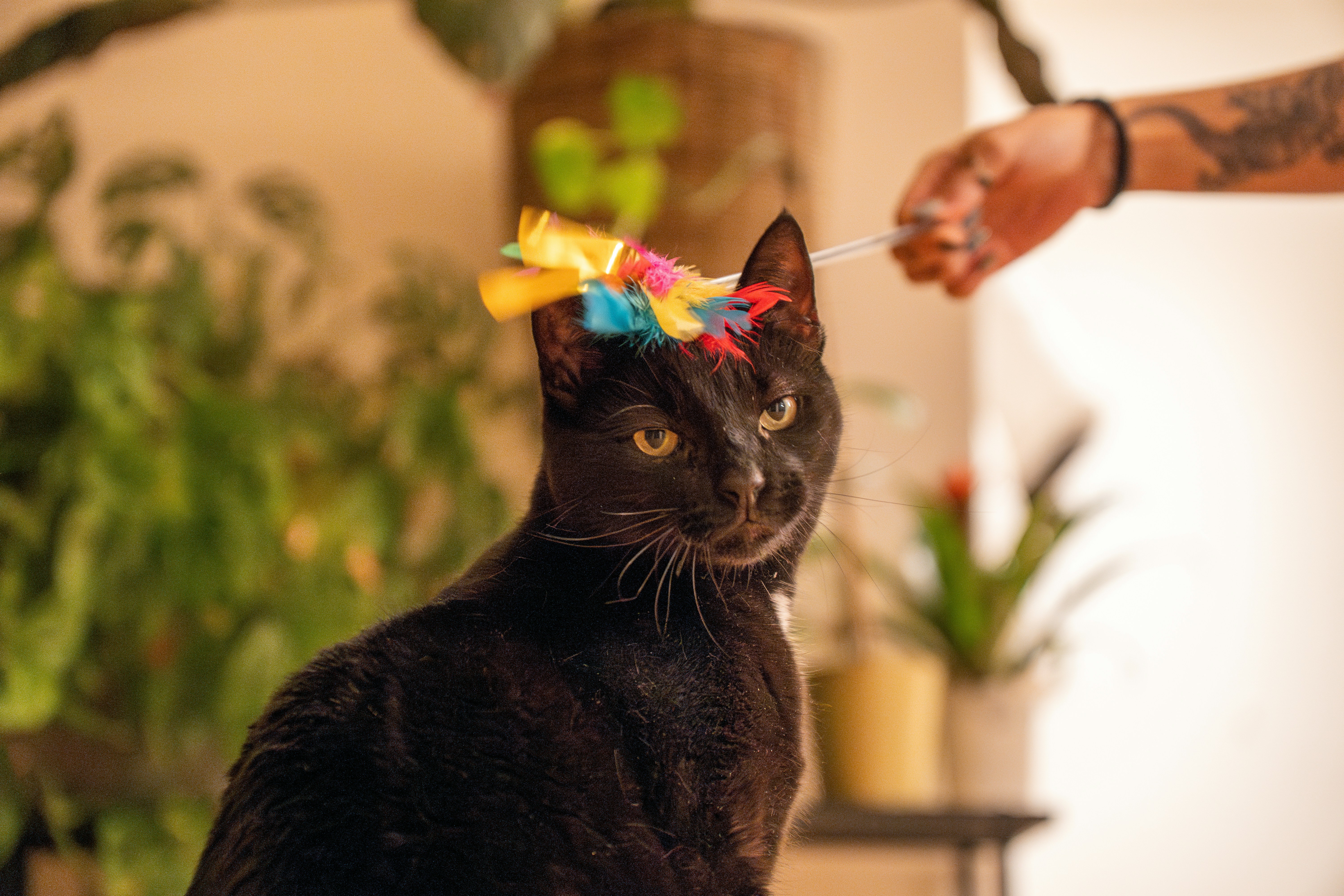
For regular pet owners, the rules of the game are changing. Daily care routines now come with a checklist: updated documentation, medical logs, and in some areas, proof of pet insurance. Feeding time and walk schedules aren’t just habits anymore they’re part of a broader responsibility to meet legal expectations.
Expect more paperwork. Cities are rolling out permit requirements, especially for certain breeds or quantities of pets. Microchip registration is now mandatory in several regions, and routine vet visits may need to be recorded digitally. Insurance costs vary, but they’re quickly becoming a baseline expense, especially as providers begin to bundle pet health plans with legal compliance tools.
Still, it’s not all just red tape. These policies aim to reduce overcrowded shelters, cut down on strays, and boost animal wellness overall. With better tracking and care standards, pets stand to benefit. Owners who stay informed and organized will find that while the daily routine gets more structured, it also promotes a safer, healthier standard of living for both people and their animals.
Compliance and Penalties: Staying On the Right Side of the Law
New pet laws aren’t just guidelines they’re backed by penalties that bite. Across most states, non compliance now comes with real consequences. Fines for unregistered pets can range from $100 to over $1,000 per instance. In some areas, repeat violations mean probation or loss of pet custody, especially if basic care standards aren’t met. For breeders, operating without proper licensing is increasingly treated as a criminal offense.
Here’s the extra wrinkle: the rules aren’t uniform. California, for example, now requires microchipping and annual licensing for all dogs and cats, while Texas puts more focus on breed specific regulations. New York’s zoning laws limit how many pets you can have in a multi unit apartment, while Oregon has made pet insurance compulsory for any new adoption. It’s a patchwork what’s legal in one place might get you cited in another.
Keeping up doesn’t have to be a scramble. Reputable resources like the ASPCA, your state’s Department of Agriculture or Animal Services, and legal hubs like PetLawWatch.org offer updates in plain language. Bookmark them. Set alerts. Stay ahead.
For a deeper look at the legal changes and what’s rolling out next, read the full update at PetHubNest’s breakdown.
How to Adapt Without the Stress
If the paperwork feels like a maze, you’re not alone. Start by knowing what you actually need: registration forms, proof of insurance, vaccination records, and in some places, a pet ownership permit. Read carefully and don’t skim some legal terms matter more than they sound. When in doubt, check your local animal services website or, better yet, call them.
Finding a compliant breeder or adoption center? Skip the sketchy listings. Aim for places that are state licensed or openly display their compliance docs. Reputable shelters and breeders won’t hesitate to walk you through the new requirements they’re adapting too.
On the community side, help is out there. Local vet clinics, shelters, and pet stores are hosting workshops and popping up with FAQ sessions. Online forums and neighborhood groups are tracking changes in real time tap in.
Responsible ownership isn’t one and done. Laws evolve. Use resources like webinars, newsletters, and animal law briefings to stay sharp. The smart owners are treating this like a driver’s license renewing knowledge, not just coasting. Ready or not, pet ownership now means bringing your A game.
Looking Ahead
Lawmakers aren’t done yet. On the table for 2026 and beyond are proposals like universal pet ID microchips and standardized digital health passports. The idea is simple: traceability. If every animal has a scannable ID and an accessible health history, issues like lost pets, illegal breeding, and overburdened shelters become a little easier to manage.
But these tech driven rules could change the landscape of pet adoption itself. Imagine walking into a shelter and getting a digital file on a pet’s vaccination record, last vet visit, and even their behavioral notes on the spot. It’s transparency people can actually use, and it boosts trust between adopters, vets, and shelters.
There’s also a broader aim: linking pet policy to public health. Rabies outbreaks, zoonotic diseases, and even emotional support claims all tie into how well we track animal info. Smart legislation here isn’t about creating red tape; it’s about prevention and preparedness.
It’s not just about making life easier for pet owners though it can. It’s about building a system that sees animal care as part of public responsibility. The same way we treat food safety or vehicle registration.
For more insights on where the law is heading, visit pet legislation changes.

 Annelina Pierceric is a dedicated author at pethubnest She shares practical insights on pet care, exploring new ways technology can support healthier and happier lives for pets.