

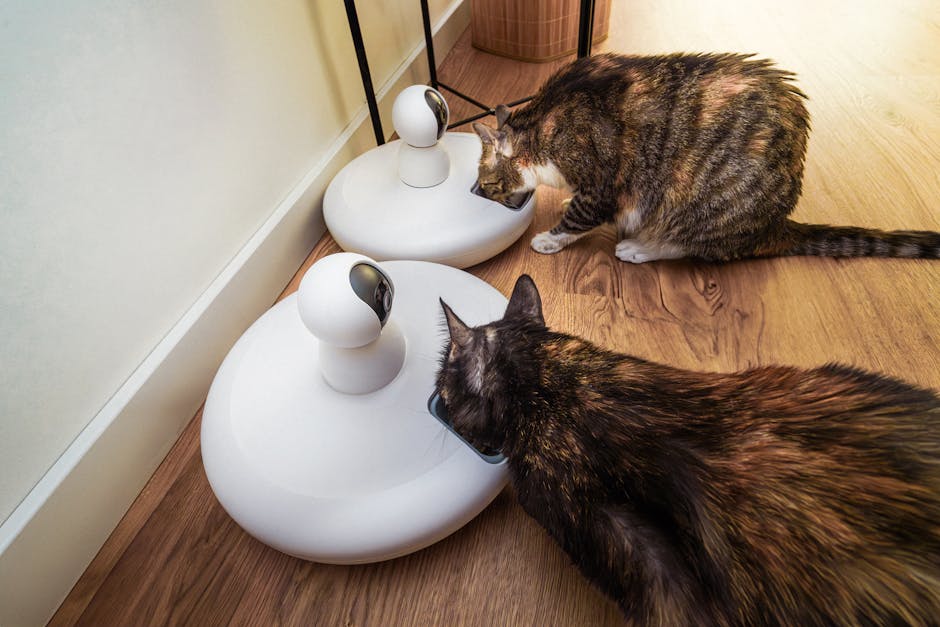
Smarter Feeders, Healthier Pets
AI has officially moved into the kitchen and your pet’s bowl is the new frontier. Smart feeders in 2026 are no longer just about dispensing food on time. They’re learning your pet’s habits, adapting meal sizes, and helping you dial in nutrition with far more precision than a measuring cup ever could. The software pouring the kibble now considers breed, age, weight changes, and activity levels to personalize each feeding down to the gram.
Auto scheduling means you don’t have to remember when it’s time. The system does the math and pings you only if something looks off say, your dog skipped a meal or your cat’s hydration levels dropped. Integrated nutrition tracking gives pet owners a snapshot of what’s really going into their pet’s body, plus real time calorie and water intake monitoring that’s accessible from your phone.
Where it gets really useful: pairing with training and reward systems. Positive reinforcement tools now sync with feeders, delivering snacks or treats based on behavior cues from compatible devices. It’s less guesswork, fewer overfed pets, and more efficient, tech supported training all while keeping your furry companion healthier in the long run.
Real Time Health Tracking Is the New Normal
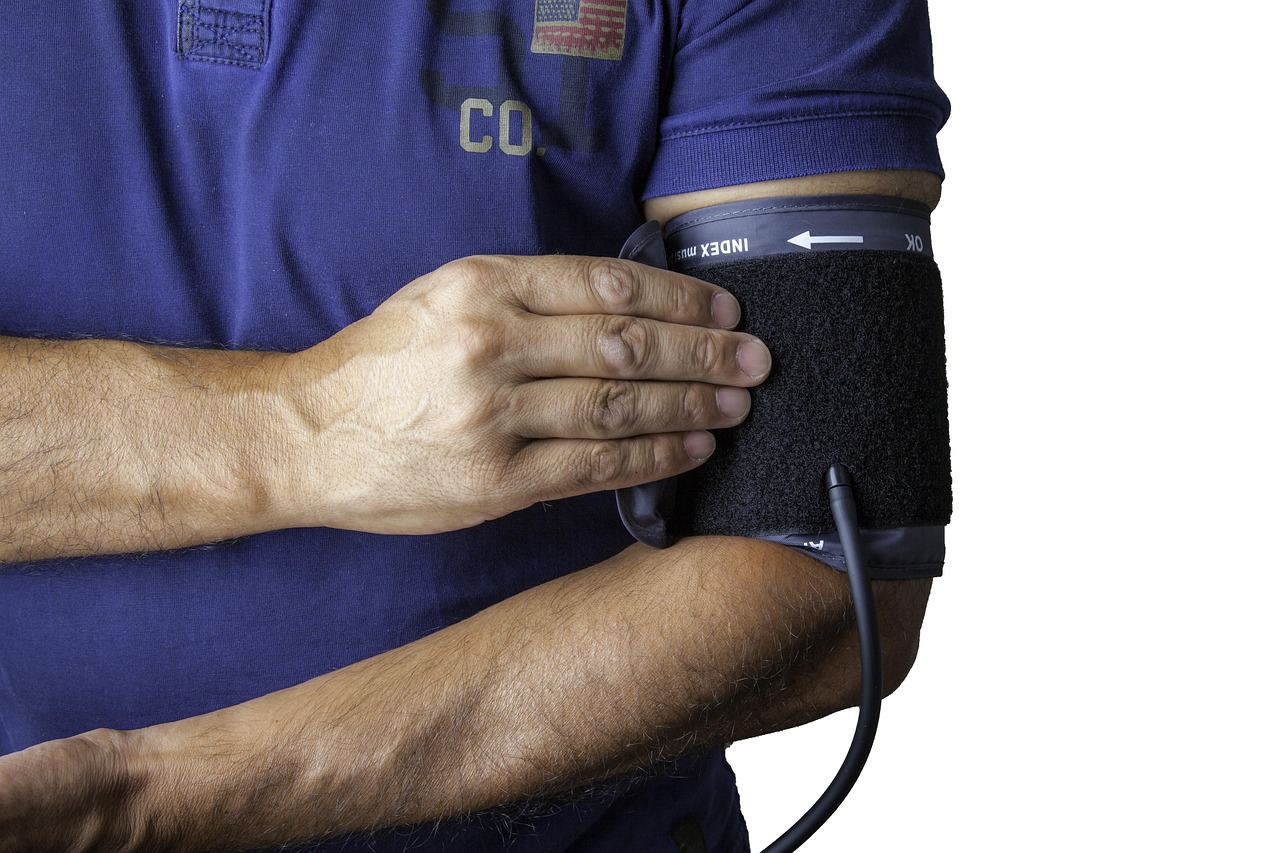
Pet wearables aren’t just trendy they’re becoming essential. Collars and harnesses with built in sensors now track heart rate, sleep cycles, and daily activity levels much like human fitness trackers. The data is often accessible in real time via mobile apps, helping owners catch shifts in behavior that may point to illness, anxiety, or lack of exercise.
What’s more compelling is how biometric analysis is pushing this tech into early diagnosis territory. Subtle changes faster resting pulse, disturbed sleep, or reduced movement can signal problems before they’re visible. Some devices even offer predictive alerts based on abnormal patterns. It’s not magic, it’s math. And it could save lives.
Creators in this space are also syncing with veterinary platforms. Monthly check ins through integrated apps let pet owners consult with professionals using real time data. Vets gain faster visibility. Owners feel less in the dark.
Naturally, all this health tracking raises eyebrows about privacy. Manufacturers are starting to get the message. The best ones now use localized data storage, anonymized analytics, and encrypted transmissions as default not an upgrade. As with any connected tech, trust matters. The winners in the pet wearable market will be the brands that deliver transparency and control, not just bells and whistles.
AI Behavior Monitoring and Mood Detection
Pets can’t tell you they’re feeling anxious but now, the house can. Smart cameras are getting an upgrade, using behavior modeling and motion tracking to pick up on signs of stress, aggression, or boredom. Tail chasing, pacing, over grooming it’s all on the radar, and flagged in real time through AI analysis.
Voice recognition tech is also stepping up. Instead of generic barks or meows being ignored by your smart devices, new systems are decoding tone, pitch, and cadence to interpret everything from excitement to discomfort. It’s early days, but many devices can already distinguish a cheerful bark from a distressed one.
Tie that into mood based automation, and you’ve got homes that dial down the lights, queue up soothing scents, or even launch an automatic play session with a robotic toy the moment a pet shows signs of unease. Some setups go one step further by integrating with behavior driven training programs serving up tailored activities based on emotional patterns.
For pets left alone for long hours, this isn’t just smart it’s peace of mind. And for pet owners who care about mental well being as much as physical health, it’s becoming non negotiable.
Home Integration and Pet Centric Ecosystems
As smart home technology becomes more sophisticated, it’s also becoming more inclusive especially for pet owners. In 2026, your home isn’t just smart for people it’s smart for pets too. Today’s devices are designed to create an environment where pets thrive, even when you’re not around.
Smart Collars Meet Home Security
One of the biggest shifts in pet care tech is the integration of smart collars with home security systems. These advanced collars go beyond simple GPS tracking:
Provide real time location syncing with your home’s surveillance cameras
Send alerts if your pet crosses virtual boundaries, like the front yard or neighborhood perimeter
Log your pet’s comings and goings for easy activity monitoring
This level of integration adds an extra layer of both convenience and peace of mind.
Voice Assistant Commands: Not Just for People Anymore
Controlling pet routines is now as simple as speaking out loud. Major smart home platforms now support pet focused commands such as:
“Feed Max at 7 AM and 6 PM”
“Start Buddy’s walking routine at noon”
“Turn on calming music for Luna”
With pre set schedules and voice activation, these automations help maintain routines even when you’re running late or out of town.
Smarter Entertainment When You’re Away
Connected toys and interactive hubs are redefining solo playtime for pets. These intelligent devices can:
Auto rotate or fetch based on your pet’s play patterns
Dispense treats after periods of inactivity
Provide live monitoring so you can check in and even join play sessions remotely
In short, your pet stays mentally stimulated and physically active, reducing boredom based behavior issues.
A Seamless Smart Home Experience Now Including Pets
The goal is full integration. Today’s most advanced setups are designed to:
Sync pet care devices with universal home platforms (like Alexa, Google Home, or Apple HomeKit)
Automate multiple smart systems for example, dimming lights and starting white noise at your pet’s bedtime
Connect your pet’s health and routine data across devices so nothing gets lost
With your home working as a cohesive ecosystem, the result is total support for both owner and pet from morning feedings to bedtime rituals.
Smart pet tech in 2026 isn’t about isolated gadgets it’s about crafting an environment where every element connects for your pet’s well being.
Going Beyond Gadgets
Smart feeders and wearable tech are flashy, sure but in 2026, it’s the platforms and services behind the screens that are doing the real heavy lifting. Pet care is shifting from generic apps to comprehensive ecosystems designed around your animal’s long term health.
AI driven diagnostics are leading the charge. Platforms are using biometric data and behavioral trends to generate custom wellness plans think preventive care, not just reactive fixes. You upload vet records, sync real time data from a smart collar, and the platform adjusts your pet’s nutrition, exercise, and even mental stimulation routines automatically.
Remote pet therapy is also gaining traction. Many platforms now offer virtual sessions with certified pet therapists, addressing separation anxiety, trauma recovery, and age related stress. Combined with evolving tele vet services, the days of dragging a stressed out pet to the clinic for every checkup may finally be behind us.
The real win? These technologies are built for sustainability. Not in the recycled plastic sense (though that’s nice too), but in how they support pets and their owners over years not just weeks. It’s not just about keeping pets busy or tracked it’s about keeping them well.
Want more on these evolving services? Check out our deep dive: pet care innovations.

 Susana Richersonear writes for pethubnest focusing on digital tools, smart gadgets, and trends that make pet ownership easier. Her articles guide readers toward modern solutions for everyday pet needs.